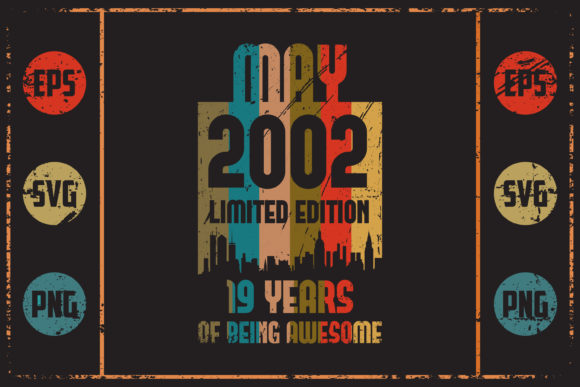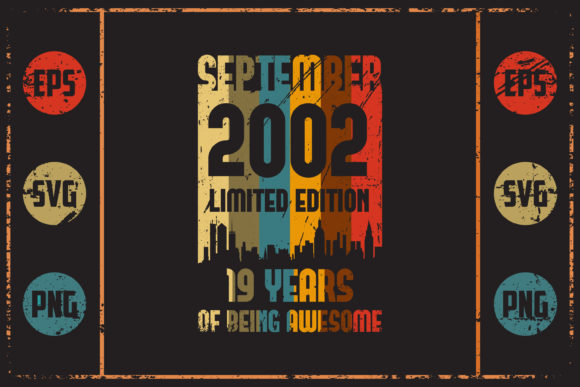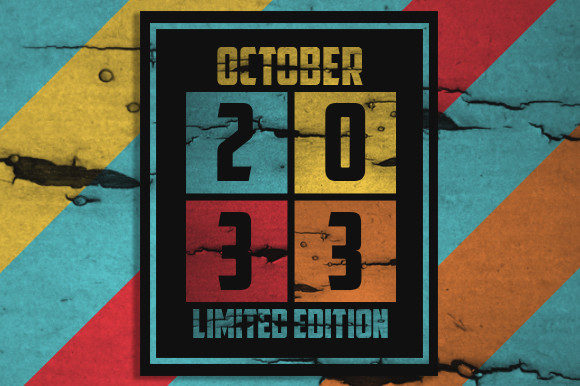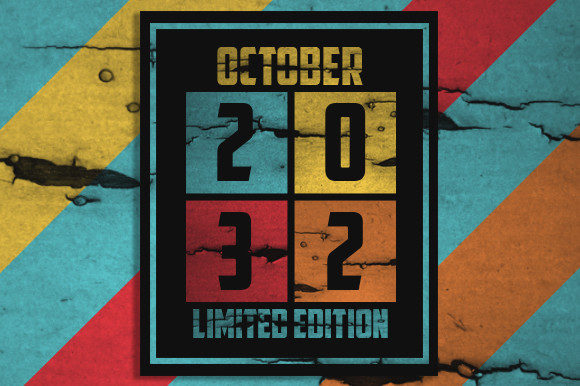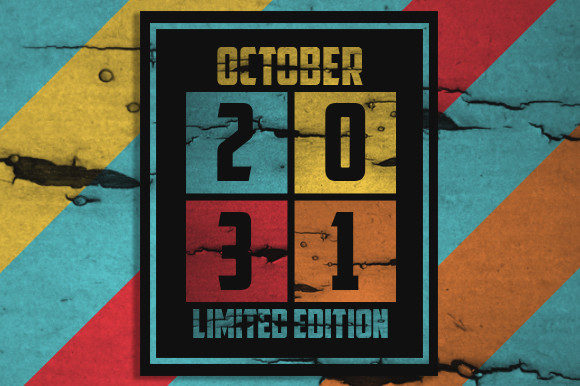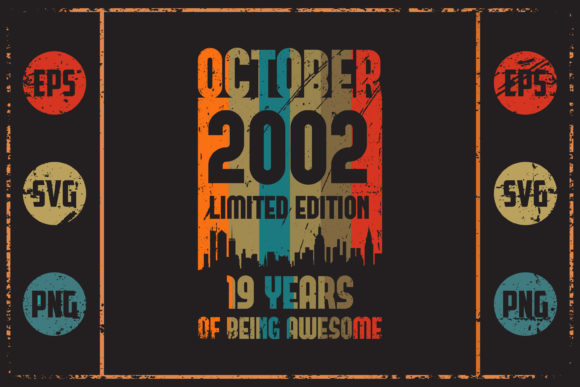
October 2002 - Retro Design
As a designer with years of experience in embroidery and digital product creation, I always approach new designs with a critical eye. October 2002 - Retro Design is no exception. This digital file offers a nostalgic aesthetic that could work well in a variety of handmade and commercial projects, but it’s not without its considerations.
The First Impression
From the moment I opened the SVG file, the design exuded a vintage vibe. The shapes are clean, the layout is balanced, and the overall feel screams mid-20th century. It’s a design that feels like it belongs on a retro-themed tote bag or a personalized baby onesie. The level of detail isn’t overwhelming, which makes it versatile for different fabric types and project sizes.
The visual personality of October 2002 - Retro Design is warm and inviting. It has a timeless quality that could appeal to a broad audience, especially those looking for something that feels authentic rather than overly modern.
Real-Life Embroidery Use Cases
When thinking about how this design would perform in real projects, I imagine it working best on custom apparel like sweatshirts, t-shirts, and tote bags. Its simplicity allows for clear stitching, making it ideal for both beginners and experienced embroiderers.
For small business owners and Etsy sellers, this design could be a solid addition to a collection of printable mockups or digital product previews. It might also serve as a base for holiday gifts, such as embroidered kitchen towels or pillow covers. The retro theme adds a unique touch that can stand out in a crowded market.
It’s worth noting that the design’s structure makes it suitable for embroidered patches, aprons, and caps. However, its effectiveness on curved surfaces or in tight hoop sizes may require some adjustments.
Where to Be Careful
While October 2002 - Retro Design is generally straightforward, there are areas where caution is advised. On thin or stretchy fabrics, the stitch density could cause puckering or distortion. Similarly, on dark fabrics, the thread color contrast needs to be carefully considered to ensure visibility and clarity.
Small hoop sizes may limit how much of the design can be stitched at once, requiring multiple passes. For intricate corners or tiny lettering, extra attention is needed to maintain the integrity of the design during the embroidery process.
If you're planning to use this design on layered garments or textured fabrics, testing on scrap material first is highly recommended. The design’s performance on these surfaces could vary based on the stabilizer used and the type of fabric.
Impact on Visual Appeal and Product Value
When it comes to visual appeal, October 2002 - Retro Design has a strong presence. Its clean lines and nostalgic feel make it visually engaging, which can enhance the value of any finished product. Whether it’s a handmade gift or a boutique item, the design adds a sense of authenticity and craftsmanship.
For customer trust and brand consistency, this design could be a valuable asset. It provides a cohesive look that aligns with retro-themed branding, making it ideal for small shop products or craft fair items. Its ability to evoke nostalgia can also boost buyer engagement, especially when paired with thoughtful marketing.
As a personalized gift, the design’s simplicity allows for easy customization. Whether it’s a baby item, a wedding gift, or a holiday present, the retro style adds a unique and memorable touch.
Practical Designer Notes
Before finalizing any project with October 2002 - Retro Design, I recommend testing it on scrap fabric. This helps identify any potential issues with stitch density, thread color, or fabric compatibility. Checking the design in black and white mockups can also reveal how it will look on different backgrounds.
Confirming the hoop size and stabilizer type is essential, especially if you’re working with delicate or stretchy materials. For commercial projects, ensuring the design works on both light and dark fabrics is crucial for versatility.
Lastly, always review the licensing terms before selling finished items or digital products. While the design itself is clean and professional, proper usage rights are important for maintaining your reputation as a designer.
Final Thoughts
October 2002 - Retro Design is a solid choice for designers looking to add a vintage flair to their embroidery projects. It’s versatile enough for custom apparel, personalized gifts, and small business merchandise, but it requires careful consideration for optimal results.
Whether you’re an Etsy seller, a craft business owner, or a creative entrepreneur, this design offers a nostalgic touch that can elevate your offerings. With the right approach, it can become a valuable part of your design assets and a reliable tool for your embroidery projects.