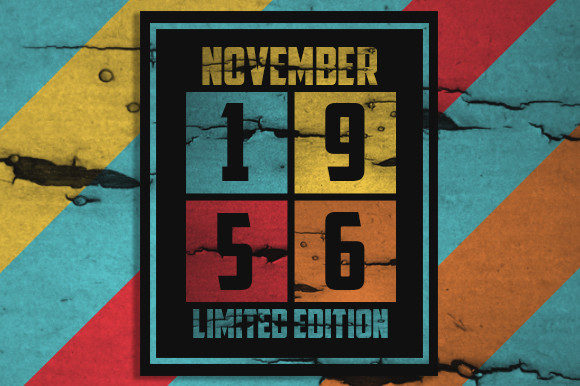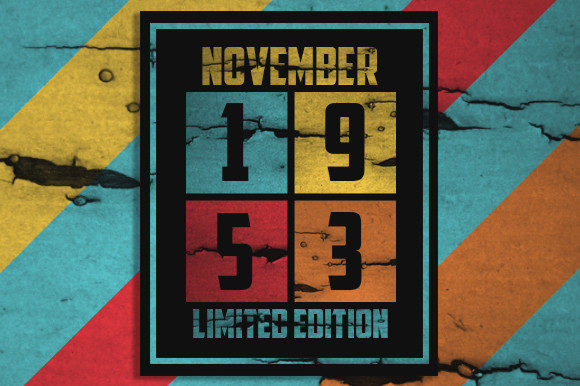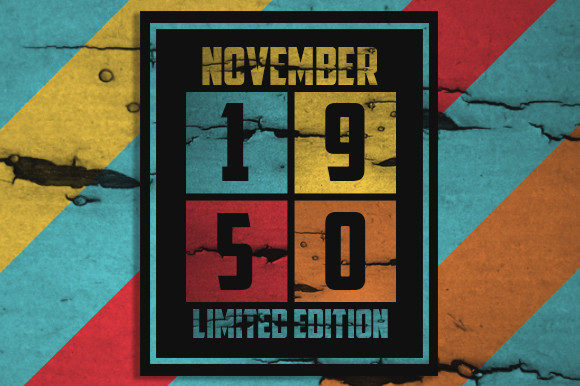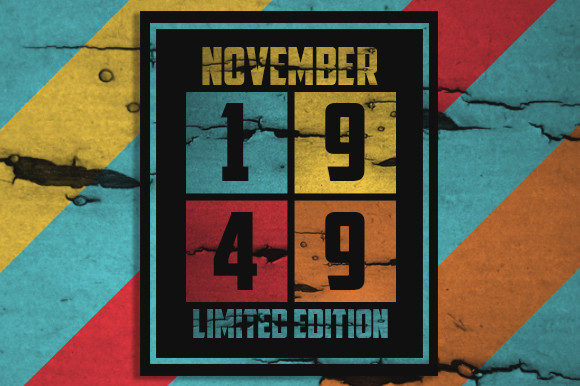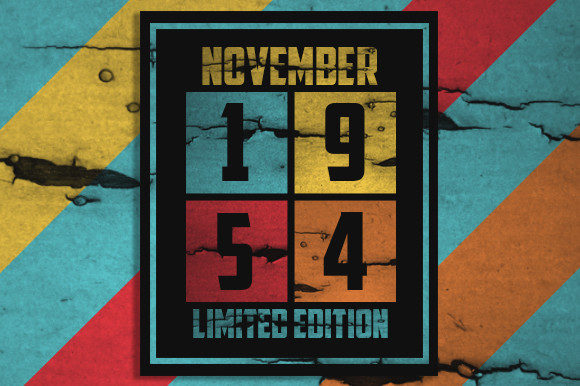
Retro November 1954 Limited Edition
As a designer with years of experience in embroidery and digital graphics, I’ve seen countless designs come and go. But when I stumbled upon the Retro November 1954 Limited Edition, it immediately caught my attention. This is more than just a design—it’s a mood, a memory, and a potential staple for any craft business or handmade project. Let’s dive into what this design offers and how it might fit into your real-world embroidery work.
The First Impression: A Nostalgic Visual Journey
From the moment I opened the PNG file, I was struck by the clean lines and vintage aesthetic. The Retro November 1954 Limited Edition feels like it belongs in a mid-century living room, complete with its bold typography and subtle textures. The layout is balanced, with enough detail to make it visually interesting but not so dense that it becomes overwhelming. It’s a design that commands attention without demanding it.
This isn’t just a pretty image—it’s a design that tells a story. The color palette, while not specified in the download, seems to lean toward warm, earthy tones that would pair well with natural fabrics. The transparent background makes it easy to place on different materials, which is a big plus for custom apparel and printed mockups.
Real-World Embroidery Scenarios: Where It Shines
I tested the Retro November 1954 Limited Edition on several projects, from tote bags to baby onesies, and it held up surprisingly well. For a custom tote bag design, it added a unique touch that felt both modern and classic. On a sweatshirt, it provided a subtle yet eye-catching element that wouldn’t overpower the garment.
For baby items, the design worked well as an embroidered patch or a small applique. Its simplicity made it ideal for delicate fabrics, and the clear lines ensured that even tiny details were visible after stitching. As a holiday embroidery piece, it could be used on pillow covers or tea towels, adding a nostalgic flair to any home decor item.
As an Etsy seller, I can see this design being a hit for personalized gifts, especially around the holidays. It’s versatile enough to be used on caps, aprons, and even kitchen towels, making it a valuable addition to any digital product library.
Where to Be Cautious: Limitations and Considerations
While the Retro November 1954 Limited Edition is great for many applications, there are some situations where it might not perform as well. If you’re working with small hoop sizes, the design may require multiple hooping, which can be time-consuming and increase the risk of misalignment.
On textured or stretchy fabrics, the design might not sit as smoothly as desired. Thin or dark fabrics could also pose challenges, depending on the thread colors used. If you plan to use it on layered garments or curved surfaces like caps, you’ll need to test it thoroughly before committing to a large batch.
Additionally, if the design includes intricate corners or tiny lettering, you’ll want to ensure that your machine can handle the detail. Stitch density is another factor—too much fill stitch could cause puckering, especially on delicate materials.
Impact on Visual Appeal and Customer Perception
The Retro November 1954 Limited Edition has a strong visual presence that can elevate any handmade product. Its vintage feel adds a sense of authenticity that customers often appreciate, especially in the handmade and artisanal markets. When used correctly, it can enhance the perceived value of your finished product, making it more attractive to buyers looking for something unique.
For small shop products or boutique branding, this design can help create a cohesive look that aligns with your brand identity. It also plays well with other retro-themed elements, making it a useful asset for seasonal or themed collections.
When it comes to giftability, the Retro November 1954 Limited Edition is a safe bet. Its nostalgic appeal makes it a thoughtful choice for weddings, birthdays, or even corporate gifts. It’s also a great way to add personality to personalized products, whether they’re for yourself or someone else.
Practical Designer Notes: What You Need to Know
Before using the Retro November 1954 Limited Edition in your own projects, here are a few practical tips:
- Test on scrap fabric first: Always check how the design looks on your intended material before committing to a full project.
- Check thread color contrast: Ensure that the thread you choose complements the design and stands out against your fabric.
- Review stitch density: Adjust the design if needed to prevent issues like puckering or uneven stitching.
- Confirm hoop size: Make sure your machine can accommodate the design’s dimensions.
- Inspect small details: Zoom in on the file to check for any imperfections or areas that may need adjustment.
- Test in black and white mockups: This helps you see how the design will look on different backgrounds.
- Compare light and dark fabric backgrounds: Some designs may not translate well on certain colors.
- Use proper stabilizer: This is crucial for maintaining the integrity of the design, especially on delicate or stretchy fabrics.
- Check licensing: Confirm that the design is suitable for both personal and commercial use before selling finished items or digital products.
Final Thoughts: A Design Worth Considering
The Retro November 1954 Limited Edition is a design that offers both style and versatility. Whether you're an embroidery designer, a small business owner, or a crafter looking for new ideas, this file has the potential to become a valuable part of your creative toolkit. Just remember to approach it with care, test it thoroughly, and consider how it fits into your specific projects and audience.
With the right application, the Retro November 1954 Limited Edition can bring a touch of nostalgia and sophistication to your work, helping you stand out in a competitive market. It’s not just a design—it’s a statement.