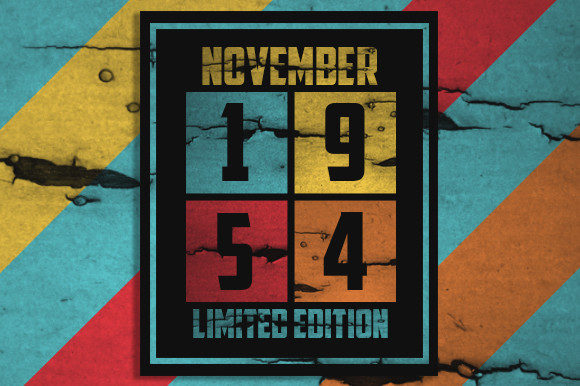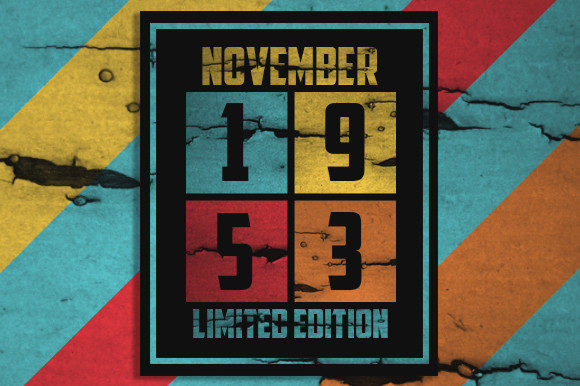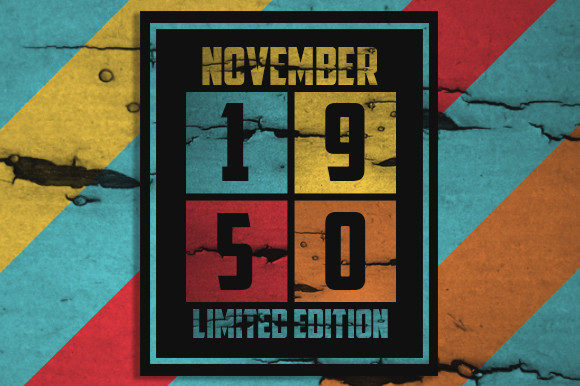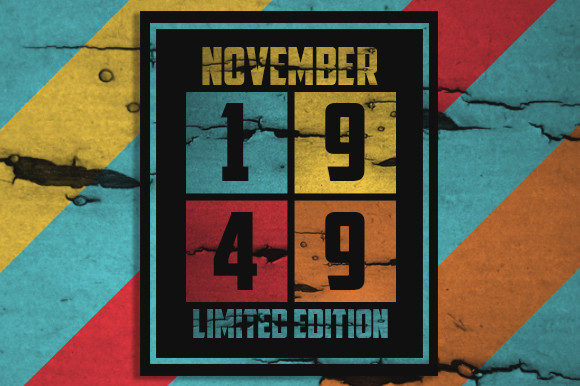
Retro November 1956 Limited Edition
As a designer and embroidery product reviewer, I’ve seen my fair share of digital files. But when I came across the Retro November 1956 Limited Edition, I knew it had potential. It’s not just another design—it’s a piece of nostalgia wrapped in a modern digital file. Let me walk you through how this machine embroidery design performs in real-life projects and what to consider before using it in your own work.
The First Impression
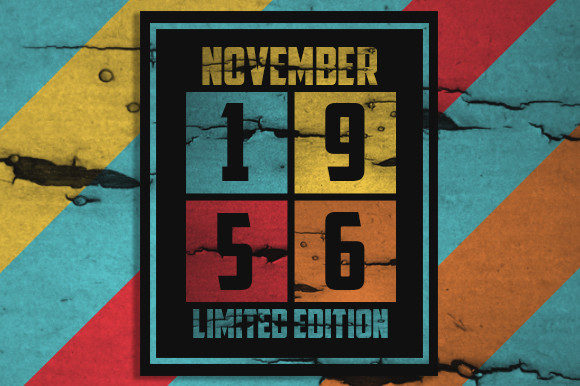
The Retro November 1956 Limited Edition immediately evokes a sense of vintage charm. The design features a classic layout with a bold, retro font that feels like it belongs on a mid-century poster or a vintage car ad. The shape is clean, the theme is timeless, and the level of detail is just right for an embroidery project that needs to stand out without being overwhelming.
This design isn’t for something subtle. It’s meant to be the focal point of a piece. Whether it’s on a custom apparel item or a handmade gift, the Retro November 1956 Limited Edition has a visual personality that commands attention.
Real-Life Embroidery Use Cases
Imagine you’re working on a custom embroidered tote bag for a client who wants something unique. The Retro November 1956 Limited Edition would be perfect here. Its high-resolution PNG file makes it easy to scale and place on different surfaces. You can use it on sweatshirts, t-shirts, or even baby clothes for a nostalgic twist.
It also works well as an embroidered patch for jackets or backpacks. The design’s clarity ensures that even when stitched onto a small hoop, it retains its character. For a holiday gift, this design could be the centerpiece of a personalized pillow cover or a kitchen towel. It’s versatile enough to fit into many creative projects.
Where to Be Careful
While the Retro November 1956 Limited Edition is visually appealing, there are some situations where it might not perform as well. If you’re working with a small hoop size, the design may require multiple hooping steps, which can be time-consuming and increase the risk of misalignment.
Textured fabrics or thin materials might make the stitches less visible, especially if the thread color doesn’t contrast well. On dark fabrics, the design might appear too light unless you adjust the thread colors accordingly. Stretchy or curved surfaces, like caps, could cause distortion if the design isn’t properly stabilized.
Also, if the design includes tiny lettering or detailed corners, those areas might get lost in dense stitch areas. It’s important to review the stitch density and test the design on different fabric types before committing to a larger project.
Visual Appeal and Practical Value
The Retro November 1956 Limited Edition adds value to any handmade product. Its retro aesthetic can elevate a simple tote bag into a statement piece. When used on custom apparel, it gives the finished product a professional look that customers will appreciate.
For small business owners and Etsy sellers, this design offers a way to create consistent branding across different products. It’s also great for personalized gifts, as the nostalgic feel can resonate with buyers looking for something unique. The design’s clarity and structure make it ideal for printable mockups and digital product previews.
Design Notes for Embroidery Professionals
Before using the Retro November 1956 Limited Edition in your next project, here are a few practical tips:
- Test on scrap fabric: Always test the design on different materials to see how it looks and stitches.
- Check thread color contrast: Make sure the thread color complements the fabric and enhances the design.
- Review stitch density: Dense areas might need additional stabilizer to prevent puckering or distortion.
- Confirm hoop size: Ensure the design fits within your hoop limitations or plan for multiple hooping steps.
- Inspect small details: Pay attention to corners, lettering, and intricate elements to avoid losing them in the stitching.
- Test in black and white: This helps identify any issues with contrast or visibility.
- Compare on light and dark backgrounds: See how the design performs on different fabric colors.
- Use proper stabilizer: Especially on stretchy or delicate fabrics, stabilizer is key to maintaining quality.
- Check licensing: Confirm whether the design is suitable for both personal and commercial use.
Final Thoughts
The Retro November 1956 Limited Edition is a strong choice for designers and crafters looking to add a vintage flair to their work. It’s well-suited for custom apparel, personalized gifts, and boutique merchandise. However, like any embroidery design, it requires careful consideration of fabric type, hoop size, and stitch density.
If you’re an Etsy seller, a small shop owner, or a creative entrepreneur, this design could be a valuable addition to your collection. Just remember to test it thoroughly and ensure it aligns with your brand and customer expectations. With the right approach, the Retro November 1956 Limited Edition can become a standout piece in your embroidery projects.