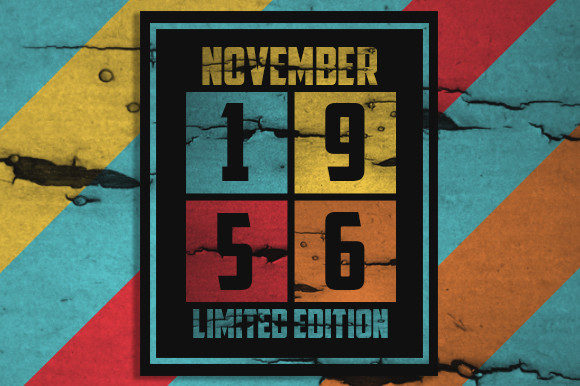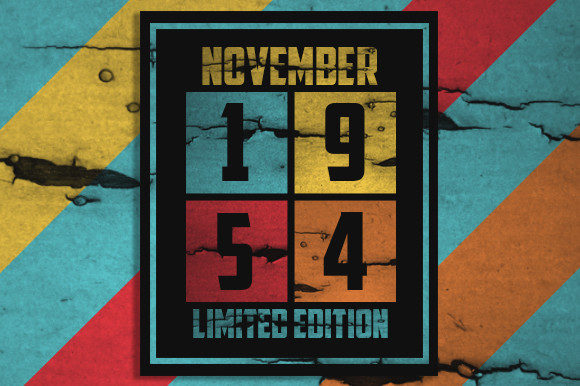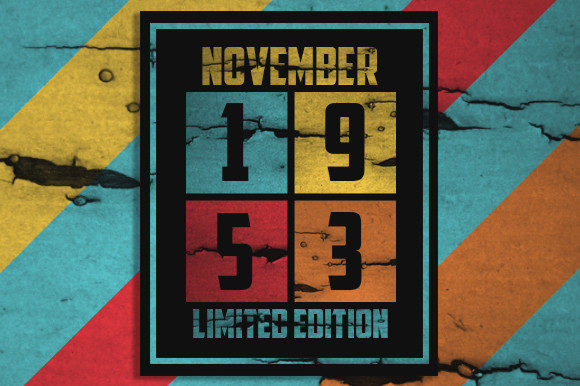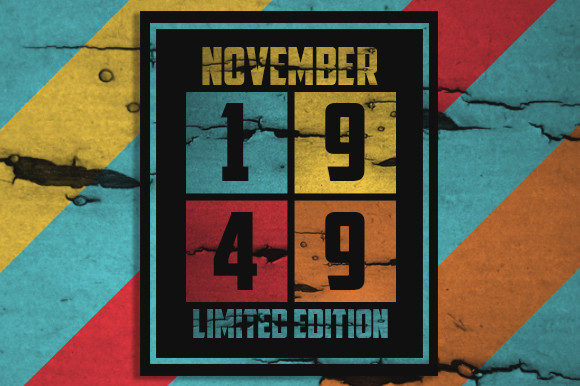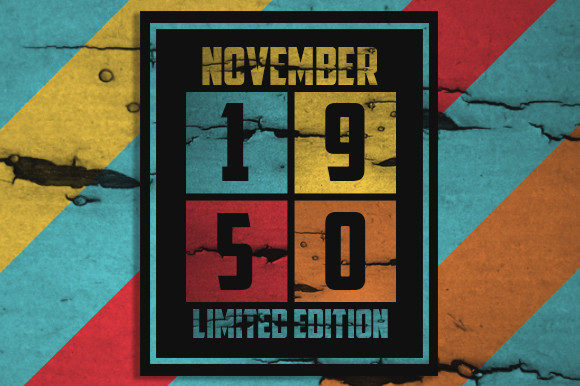
Retro November 1950 Limited Edition
First Impressions: A Nostalgic Design with Timeless Appeal
The Retro November 1950 Limited Edition immediately evokes a sense of vintage charm. Its design elements feel like they could have been lifted from a mid-century magazine or a classic film set. The layout is clean, the typography has a hand-crafted quality, and the overall aesthetic leans into a warm, nostalgic mood. This isn’t just a design—it’s a story waiting to be told through embroidery.
The level of detail is impressive for a digital file, especially considering it’s a PNG with a transparent background. It suggests that the design was created with care, balancing simplicity and visual interest. This makes it ideal for projects that require a subtle yet distinctive look—think custom apparel, baby items, or holiday gifts.
Real-World Use: Where Does This Design Shine?
When considering real-life embroidery situations, the Retro November 1950 Limited Edition feels most at home on larger, flat surfaces. A tote bag design, for instance, would allow the full scope of the design to be appreciated. Similarly, a sweatshirt or apron could showcase the details without overwhelming the fabric.
This design also works well as an embroidered patch. Its size and structure make it suitable for attaching to jackets, backpacks, or even as a decorative element on a craft project. For small business owners or Etsy sellers, it could serve as a unique selling point for handmade products or personalized gifts.
On baby clothes, the design adds a touch of elegance without being too busy. It could be used on onesies, blankets, or burp cloths, offering a soft, vintage-inspired look that parents might find appealing. In a commercial embroidery setting, it could be part of a collection for boutique branding or holiday merchandise.
Where to Be Cautious: Potential Limitations
While the Retro November 1950 Limited Edition has a lot to offer, there are some areas where caution is advised. On small hoop sizes, the design may not fit comfortably, which could lead to stitching issues or incomplete results. If you're planning to use it on curved surfaces like caps or hats, be prepared to adjust the design or use a different approach.
Textured or stretchy fabrics might cause the stitches to distort, so testing on scrap fabric is essential. Thin or dark fabrics could also affect how the design appears, especially if the thread color doesn’t contrast well. For dense stitch areas, the design may need adjustments to prevent puckering or uneven coverage.
Small details, such as intricate corners or tiny lettering, should be inspected closely before committing to a project. If the design is intended for commercial use, confirming the licensing terms is crucial to avoid any legal issues down the line.
Impact on Visual Appeal and Customer Perception
The Retro November 1950 Limited Edition has the potential to elevate the visual appeal of any finished product. Its vintage style adds a layer of sophistication that can make a handmade product stand out in a crowded market. For small shop owners or crafters, this could mean increased customer interest and higher perceived value.
Stitching clarity is another important factor. The design’s structure allows for clear, defined lines, which is great for both satin stitch and fill stitch applications. However, if the stitch density is too high, it could lead to a stiff or less natural look. Balancing detail with practicality is key here.
From a branding perspective, this design could help create consistency across a product line. Whether it’s used on a custom apparel item or a printable mockup, its retro aesthetic ties well with other vintage-themed designs. For creative entrepreneurs, this means more flexibility in how they present their work to customers.
Practical Designer Notes: Tips for Success
Before using the Retro November 1950 Limited Edition in a real project, always test it on scrap fabric. This will help you understand how the design interacts with different materials and stitch types. Checking thread color contrast is also important—especially if the design will be used on dark or light backgrounds.
Reviewing the stitch density is another step that shouldn’t be skipped. If the design is too dense, it may require additional stabilizer to prevent puckering or distortion. Confirming the hoop size needed for the design is equally important, as using the wrong size can lead to stitching errors.
Inspecting small details is crucial. If the design includes delicate elements or fine lines, ensure they’ll hold up under embroidery conditions. Testing the design in black and white mockups can also help you see how it looks without color, which is useful for digital product previews or printable assets.
Finally, always check whether the design is suitable for both personal and commercial projects. If you’re planning to sell finished items or digital products, confirm the licensing terms to avoid any issues. For embroidery designers, this kind of due diligence ensures that your work remains professional and legally sound.
Conclusion: A Versatile Design with Nostalgic Charm
The Retro November 1950 Limited Edition is a versatile design that brings a touch of vintage flair to a wide range of embroidery projects. Its clean layout, thoughtful details, and nostalgic appeal make it a strong choice for custom apparel, baby items, holiday gifts, and more.
While it has some limitations in certain applications, its strengths far outweigh the challenges. With proper preparation and attention to detail, it can become a valuable addition to any embroidery designer’s toolkit or a standout product for small business owners and crafters.