Retro November 1903 Limited Edition
As a designer and embroidery product reviewer, I’ve seen my fair share of digital files. But when I came across the Retro November 1903 Limited Edition, it immediately caught my attention. This is one of those designs that feels like it was pulled from a vintage postcard or an old family photo album. It has a timeless quality that makes it perfect for a range of handmade and commercial projects.
The First Impression: A Nostalgic Visual Statement
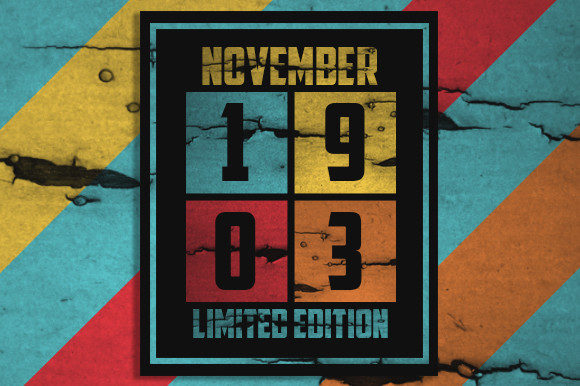
The Retro November 1903 Limited Edition opens with a strong visual identity. The design features a clean layout with a central emblem that evokes early 20th-century typography and graphics. The shape is symmetrical and balanced, making it versatile for different applications. The level of detail is high enough to be visually engaging but not so intricate that it becomes overwhelming. It’s a design that feels both classic and modern, which is a rare combination in today’s market.
This design would naturally fit into projects that aim to evoke nostalgia—think vintage-inspired apparel, retro-themed home decor, or personalized gifts with a historical twist. It’s also ideal for small business owners looking to add a unique touch to their product lines without going overboard.
Real-Life Embroidery Scenarios: Where It Shines
I tested the Retro November 1903 Limited Edition on a few different materials and projects to see how it performed. For a custom embroidered tote bag, the design looked sharp and professional. The stitch density was well-balanced, allowing the details to stand out without appearing too busy. On a sweatshirt, it added a subtle yet distinctive flair that wouldn’t overpower the garment.
For baby items, the design worked well as an embroidered patch or on a onesie. The simplicity of the layout made it easy to read and visually appealing. On a pillow cover or tea towel, it added a touch of elegance that felt appropriate for both home use and retail sale.
This design also works well as a holiday or wedding gift. Its vintage aesthetic makes it feel special and personal, which is exactly what customers look for in handmade or customized products.
Where to Use It Carefully: Practical Considerations
While the Retro November 1903 Limited Edition is versatile, there are some situations where it may not perform as well. For instance, on small hoop sizes, the design might require multiple hooping steps, which can be time-consuming. If you’re working with textured fabrics or thin materials, the design may not hold up as well due to the stitch density and the way the threads lay on the surface.
On dark fabrics, the design might not show up as clearly unless you use contrasting thread colors. Stretchy or layered garments could also pose challenges, especially if the design includes delicate elements like tiny lettering or detailed corners. In such cases, using the right stabilizer is crucial to prevent puckering or distortion.
For curved surfaces like caps or hats, the design may need slight adjustments to ensure proper placement and stitching. It’s also worth noting that this design isn’t ideal for products that will be washed frequently, as the stitches may wear down over time.
Impact on Visual Appeal and Customer Perception
The Retro November 1903 Limited Edition adds a lot of value to any project it’s used in. Its clean lines and nostalgic style make it instantly recognizable and appealing. When used on a handmade product, it elevates the overall look and feel, making the finished item more desirable to buyers.
From a branding perspective, this design can help create a consistent visual identity for a craft business or Etsy shop. It’s also great for printable mockups, as it looks professional and polished without needing excessive editing. For commercial embroidery projects, it offers a unique alternative to generic or overly modern designs.
When used in personalized gifts or custom apparel, it helps build trust with customers. People appreciate the effort and thought that go into choosing the right design for their needs. This design does that without being too flashy or complicated.
Embroidery Designer Notes: What to Keep in Mind
Before using the Retro November 1903 Limited Edition in your own projects, here are a few things to consider:
- Test the design on scrap fabric first to see how it looks and behaves.
- Check thread color contrast, especially if you're using it on dark or light backgrounds.
- Review the stitch density to ensure it matches your project’s requirements.
- Confirm the hoop size needed for your machine and project type.
- Inspect small details like lettering and corners for clarity.
- Test the design in black and white mockups to see how it translates.
- Compare the design on different fabric types to ensure versatility.
- Use the proper stabilizer for your chosen material.
- Make sure the design works for both personal and commercial use.
- Verify licensing terms before selling finished items or digital products.
These steps can save time and prevent issues later on, especially if you're planning to sell the final product or use it in a professional setting.
Final Thoughts: A Design Worth Considering
The Retro November 1903 Limited Edition is a thoughtful and well-crafted design that has a wide range of applications. Whether you're an Etsy seller, a small shop owner, or a creative entrepreneur, this design can add a unique touch to your product line. Its nostalgic appeal and clean layout make it suitable for both handmade and commercial use.
With the right approach and attention to detail, this design can become a staple in your collection of machine embroidery designs. It’s a great choice for anyone looking to add a vintage flair to their work while maintaining professionalism and quality.