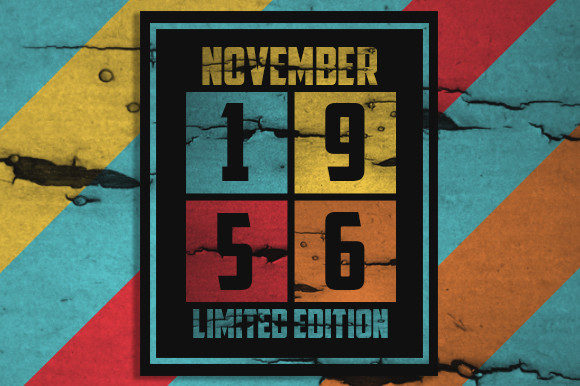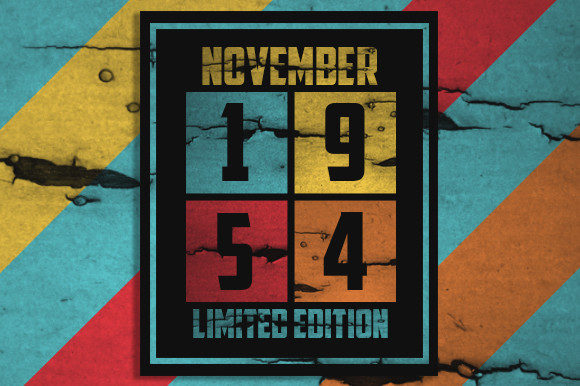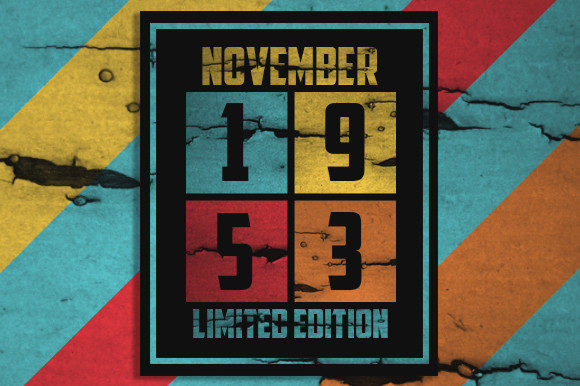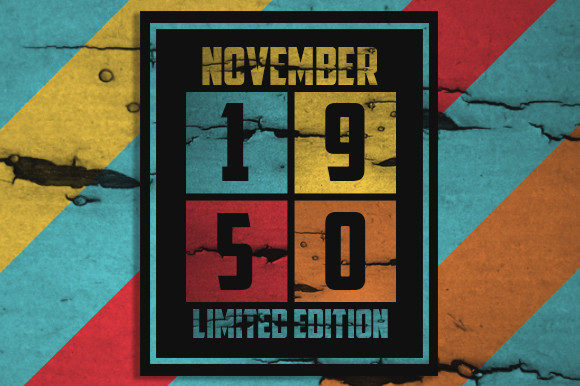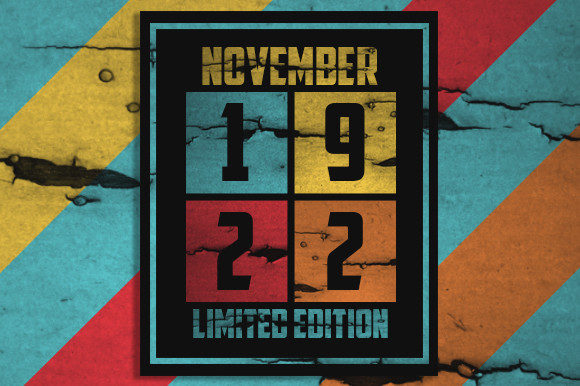
Retro November 1922 Limited Edition
As a designer and embroidery product reviewer, I’ve seen my fair share of digital files. But when I came across the Retro November 1922 Limited Edition, I knew it had potential for real-world use. This design isn’t just another graphic—it’s a piece that could bring character to custom apparel, handmade gifts, and boutique merchandise. Let’s dive into what makes this design stand out and how it might work in actual embroidery projects.
The First Impression: A Nostalgic Visual Statement
The Retro November 1922 Limited Edition immediately evokes a sense of vintage charm. The design has a classic feel with its clean lines, subtle textures, and muted color palette. It feels like something you’d find on an old postcard or a retro poster. The layout is balanced, with enough detail to be visually engaging but not so intricate that it becomes overwhelming. This makes it ideal for projects where subtlety and elegance are key.
Its high-resolution PNG file with a transparent background gives it flexibility for different applications. Whether you’re using it on a tote bag, a sweatshirt, or a baby onesie, the design adapts well. The mood it creates is warm and nostalgic—perfect for holiday gifts, personalized items, or small business branding.
Real-World Embroidery Use Cases
When considering how the Retro November 1922 Limited Edition would perform in real-life embroidery situations, there are several practical factors to keep in mind. For example, if you’re planning to use it on a custom tote bag design, the size and placement of the design matter. It works best on larger surfaces where the details can shine without becoming too cramped.
For sweatshirt embroidery, the design’s simplicity helps maintain clarity, especially on lighter-colored fabrics. It could also work well as an embroidered patch for jackets or bags, where the retro aesthetic adds a unique touch. In baby items, the design’s soft, non-clashing colors make it a safe and appealing choice.
On caps or hats, the design might require some adjustments depending on the hoop size. If the design is too large for a standard hoop, it may need to be split or resized. Similarly, on textured or stretchy fabrics, the stitch density and stabilizer choice will play a big role in how the final product looks.
Where to Use It Carefully
While the Retro November 1922 Limited Edition is versatile, there are certain scenarios where it might not perform as well. On small hoop sizes, the design could become too detailed, leading to stitching issues. Thin or dark fabrics might also challenge the visibility of the design, especially if the thread colors don’t contrast well.
For layered garments or curved surfaces like caps, the design’s layout needs careful consideration. Tiny lettering or intricate corners might get lost in the embroidery process. Dense stitch areas could cause puckering or distortion, especially on delicate fabrics.
If you’re planning to use this design on products that will be washed frequently, such as tea towels or aprons, it’s important to test the durability. The design’s visual appeal depends on maintaining its crisp lines and clean edges over time.
Impact on Visual Appeal and Customer Perception
The Retro November 1922 Limited Edition has the potential to elevate the visual appeal of any project it’s used on. Its vintage style adds a touch of sophistication that can differentiate handmade products from mass-produced alternatives. When used on custom apparel or personalized gifts, it can create a sense of uniqueness that customers appreciate.
In terms of product value, this design can help justify a higher price point, especially for small business owners or Etsy sellers looking to offer premium handmade items. Customers often associate quality with attention to detail, and this design offers that level of craftsmanship.
From a branding perspective, the Retro November 1922 Limited Edition can serve as a consistent visual element across different products. Whether it’s used on a tote bag, a pillow cover, or a holiday gift, it maintains a cohesive look that reinforces brand identity.
Practical Designer Notes
Before jumping into a full project, I always recommend testing the Retro November 1922 Limited Edition on scrap fabric. This helps determine how the design translates in real life and whether any adjustments are needed. Checking thread color contrast is also essential—especially if you plan to use it on dark or light backgrounds.
Reviewing the stitch density is another key step. If the design is too dense, it could cause problems with fabric tension or lead to a stiff feel. Confirming the correct hoop size ensures that the design fits comfortably and stitches evenly.
Inspecting small details like corners and lettering is crucial. Even the smallest imperfections can affect the overall look of the finished product. Testing the design in black and white mockups can also help identify any hidden issues before committing to a full embroidery project.
Finally, make sure the design works for both personal and commercial use. Since this is a digital download, it’s important to confirm the licensing terms before selling finished items or using it in digital product previews.
Final Thoughts: A Design Worth Exploring
The Retro November 1922 Limited Edition is more than just a pretty graphic—it’s a design that can add value to a wide range of embroidery projects. Whether you’re an Etsy seller, a craft business owner, or a hobbyist, this file has the potential to enhance your creative output.
With careful consideration of fabric type, hoop size, and stitch settings, this design can deliver professional results. It’s a great addition to any collection of machine embroidery designs, especially for those who appreciate vintage aesthetics and timeless style.
As with any digital embroidery file, it’s important to approach the Retro November 1922 Limited Edition with a practical mindset. Test it, adapt it, and use it where it shines. That’s how you turn a simple design into a standout finished product.