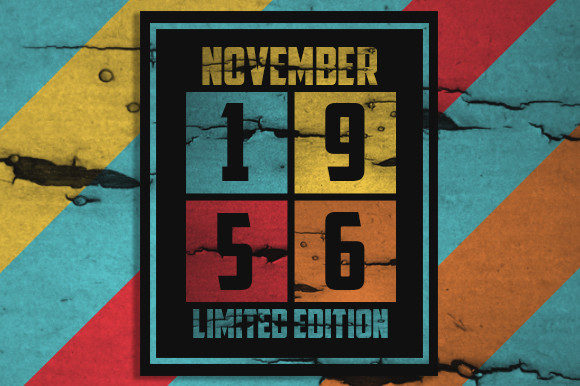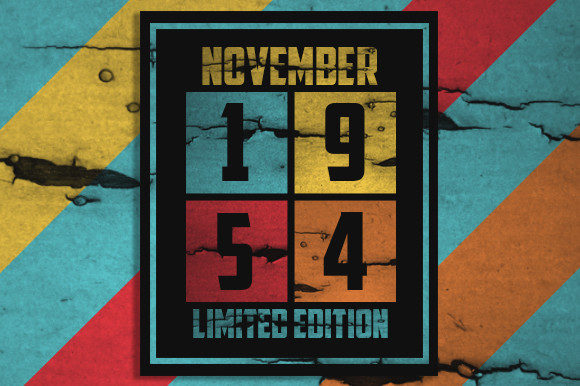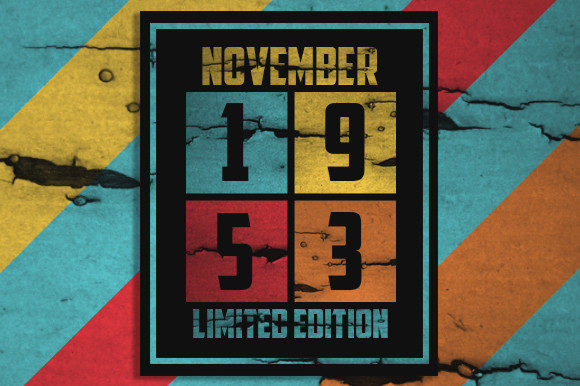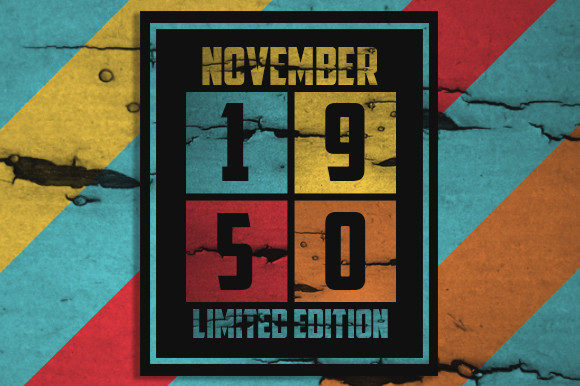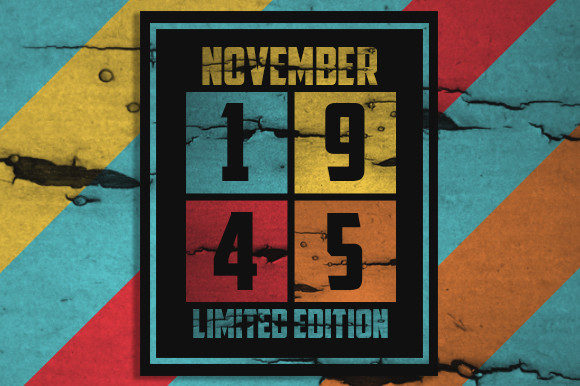
Retro November 1945 Limited Edition
The Retro November 1945 Limited Edition is a nostalgic design that brings a vintage feel to modern embroidery projects. Its clean lines and retro aesthetic make it ideal for a variety of handmade and commercial applications. As a designer who regularly works with custom apparel, baby items, and boutique products, I wanted to test how this design would hold up in real-world scenarios.
A First Impression of Nostalgia
From the moment I opened the .zip file, the Retro November 1945 Limited Edition felt like a piece of history. The high-resolution PNG with a transparent background gives it a professional look, making it easy to integrate into mockups or digital previews. The design features a bold, stylized layout that evokes mid-20th century typography and graphic design. It’s not overly complex, but the level of detail is just enough to stand out without overwhelming the eye.
This design seems to belong on vintage-inspired t-shirts, embroidered patches, or custom tote bags. Its simplicity makes it versatile, but its strong visual identity means it needs to be placed carefully to maintain its impact. I immediately thought of using it on a custom sweatshirt for a client who wanted something unique yet timeless.
Real-Life Embroidery Scenarios
Testing the Retro November 1945 Limited Edition on a sample sweatshirt revealed a few key insights. The design translates well to fabric, but the stitch density requires attention. If you’re using a machine embroidery design with dense areas, you might need to adjust the settings to avoid puckering or distortion. For smaller hoop sizes, the design may require splitting into sections, which could complicate the process for beginners.
On a tote bag, the design looked great, especially when paired with a light-colored fabric. The transparent background allows for flexibility in color choices, but I noticed that on darker fabrics, the contrast wasn’t as sharp. This is something to keep in mind if you're planning to use the design on black or navy garments. The design also works well on baby clothes, where the soft, vintage vibe can add a charming touch to onesies or blankets.
For personalized gifts, the Retro November 1945 Limited Edition has potential. It could be used on a holiday-themed pillow cover or a custom apron. However, the design’s size and layout mean it might not fit well on curved surfaces like caps or hats. If you’re planning to use it on a cap, you’ll need to ensure the hoop size accommodates the design’s dimensions.
Where to Use With Caution
While the Retro November 1945 Limited Edition is visually appealing, there are some situations where it may not perform as well. On textured fabrics, such as denim or corduroy, the design might not sit as smoothly. Thin or stretchy materials could cause the stitches to pull or distort, especially if the stabilizer isn’t properly applied.
Dense stitch areas can be problematic if not handled correctly. If you’re using a satin stitch or fill stitch, you may need to adjust the stitch count or add additional stabilizer to prevent the fabric from stretching. Tiny lettering or intricate details might not show up clearly on certain fabrics, so testing on scrap material is always a good idea.
For commercial embroidery projects, the design is suitable as long as the licensing terms allow for it. Always confirm the usage rights before selling finished products or digital files. If you’re an Etsy seller or small shop owner, this design could be a valuable addition to your product line, provided it aligns with your brand’s aesthetic.
Impact on Visual Appeal and Customer Perception
The Retro November 1945 Limited Edition adds a unique visual element to any project. Its vintage style can elevate a simple tote bag or sweatshirt into a standout item. Customers often respond positively to designs that feel handcrafted and meaningful, and this one has that quality. It’s perfect for handmade products that aim to tell a story or evoke a sense of nostalgia.
When it comes to customer trust, the design’s clarity and professionalism matter. A well-executed embroidery project with this design can increase buyer engagement and encourage repeat purchases. It also supports brand consistency, especially if your business has a retro or vintage theme.
As a printable mockup, the design works well in digital product previews. It’s easy to resize and place on different backgrounds, making it a useful asset for craft businesses and digital product sellers. However, if you’re planning to use it in a commercial setting, always double-check the licensing information provided by the seller.
Practical Designer Notes
Before committing to a project, I always recommend testing the Retro November 1945 Limited Edition on scrap fabric. This helps you see how the design looks in real life and identify any potential issues. Checking thread color contrast is also important—especially if you plan to use it on dark or light fabrics.
Reviewing the stitch density will help you determine if the design is suitable for your machine and fabric type. Confirming the hoop size is another essential step, as some designs may require larger hoops than others. Inspecting small details, like corners or lettering, ensures that the final product meets your expectations.
Testing the design in black and white mockups can reveal how it looks without color, which is useful for understanding its versatility. Comparing it on light and dark backgrounds helps you decide the best placement for your project. Using the right stabilizer is crucial, especially for delicate or stretchy fabrics.
Finally, whether you’re using the design for personal or commercial purposes, always verify the licensing terms. This design has the potential to be a valuable addition to your collection, but only if you understand what you’re allowed to do with it.