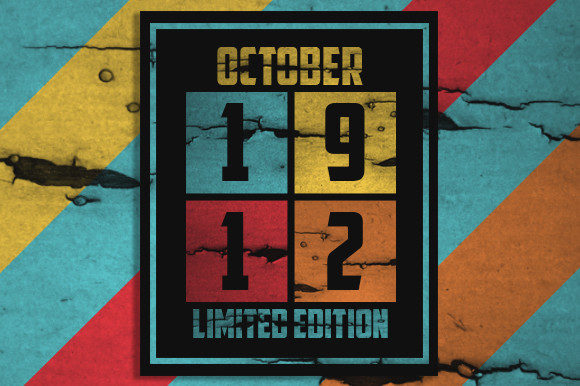
Retro October 1912 Limited Edition
First Impressions: A Nostalgic Design with Timeless Appeal
The Retro October 1912 Limited Edition immediately catches the eye with its vintage aesthetic and subtle elegance. The design evokes a sense of history, blending retro typography with clean lines and a restrained layout that feels both classic and modern. Its high-resolution PNG file offers clarity and detail that translate well into machine embroidery designs, making it a strong candidate for a variety of projects.
The visual personality of the design is warm and inviting, suggesting it would work best on items that aim to convey a sense of nostalgia or heritage. It’s not overly complex, which means it can be adapted to different scales without losing its character. This makes it ideal for custom apparel, baby items, or holiday gifts where a touch of old-world charm is desired.
Real-World Use Cases: Where It Shines and Where It Might Struggle
When considering real-life embroidery situations, the Retro October 1912 Limited Edition has clear strengths. It would make an excellent tote bag design, especially for small businesses looking to offer a unique, handcrafted feel. The design’s simplicity also makes it suitable for sweatshirt embroidery, where bold yet refined details are key.
For baby items, the design’s clean lines and lack of intricate elements make it a safe choice. It could work well as an embroidered patch for a child’s jacket or a decorative element on a onesie. Similarly, it would fit naturally into a holiday gift set, such as a personalized kitchen towel or a festive pillow cover.
However, there are scenarios where caution is needed. The design may not perform well in small hoop sizes, as some of its finer details could be lost. Textured fabrics or thin materials might also challenge the clarity of the stitching, especially if the stabilizer isn’t properly applied. For stretchy or dark fabrics, careful consideration of thread color contrast is essential to ensure visibility and durability.
Stitching Performance: Practical Considerations for Embroidery Designers
As a machine embroidery design, the Retro October 1912 Limited Edition benefits from a balanced stitch density. It avoids being too dense, which helps prevent puckering or fabric distortion. However, this also means that areas with fine details may require extra attention during the stitching process.
For applique designs, the transparency of the background in the PNG file could be useful when layering with other elements. But for fill stitches or satin stitches, the design’s structure may need to be adjusted to maintain visual consistency across different fabric types.
One thing to note is that the design doesn’t include specific stitch count or hoop size information. As a designer, it’s important to test it on scrap fabric first to determine how it translates to your equipment and materials. Checking thread color contrast against both light and dark backgrounds is also recommended to ensure the final product meets expectations.
Impact on Visual Appeal and Customer Perception
The Retro October 1912 Limited Edition adds a distinctive touch to any finished product. Its nostalgic theme can elevate the perceived value of handmade products, making it a great choice for Etsy sellers or small shop owners looking to stand out in a competitive market.
When used on custom apparel or personalized gifts, the design can enhance the emotional connection between the item and the recipient. It also supports brand consistency, especially for businesses that want to maintain a cohesive visual identity across their product lines.
From a customer perspective, the design’s clarity and simplicity can increase trust in the quality of the handmade product. It’s also highly giftable, making it a practical choice for seasonal or special occasion items.
Designer Notes: Tips for Maximizing the Potential of Retro October 1912 Limited Edition
Before using the design in a commercial project, always test it on scrap fabric. This will help you assess how it looks on different materials and identify any potential issues with stitch density or stabilizer use.
Review the thread colors carefully, especially if you plan to use the design on dark fabrics. A mismatched color can significantly affect the overall appearance of the finished product.
Check the hoop size required for the design. If it’s larger than what you typically use, consider whether it’s feasible for your current setup or if adjustments are needed.
Inspect small details like lettering or corners to ensure they remain sharp after stitching. These elements can sometimes become distorted depending on the fabric and stitching method.
Use proper stabilizer to prevent puckering, especially on delicate or stretchy fabrics. This is crucial for maintaining the integrity of the design over time.
Confirm whether the design is suitable for both personal and commercial use. Licensing terms can vary, so it’s important to verify this before selling finished items or digital products.
Final Thoughts: A Versatile Design with Room for Creativity
The Retro October 1912 Limited Edition is a design that offers both style and functionality. While it may not be the most intricate or detailed option available, its simplicity and timeless appeal make it a valuable asset for a wide range of embroidery projects.
Whether you’re creating custom apparel, personalized gifts, or small business merchandise, this design has the potential to add a unique touch that resonates with customers. With careful consideration and testing, it can become a staple in your collection of machine embroidery designs.