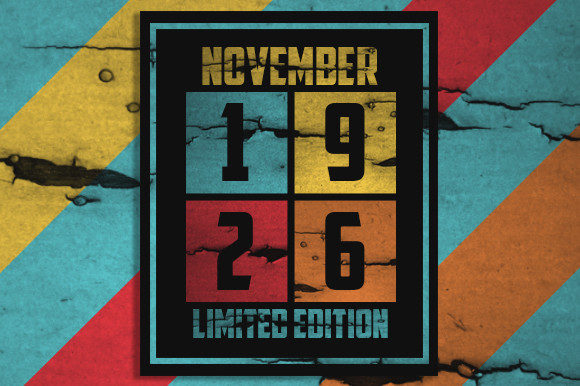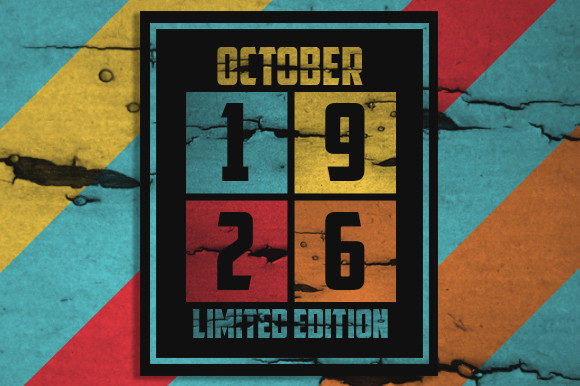
Retro October 1926 Limited Edition
As a designer and embroidery product reviewer, I’ve seen my fair share of digital files. But when I came across the Retro October 1926 Limited Edition, it immediately caught my attention. This is more than just a design—it’s a statement. The mood it creates is nostalgic, elegant, and timeless. It feels like stepping into a bygone era, where craftsmanship was celebrated and details mattered. For anyone looking to add a touch of vintage flair to their work, this design is worth considering.
The First Impression: A Design That Speaks Volumes
From the moment I opened the PNG file, I was struck by the clarity and precision of the Retro October 1926 Limited Edition. The layout is clean, with a strong visual hierarchy that makes it easy to identify key elements. The theme is undeniably retro, evoking the style of the 1920s with its intricate patterns and classic typography. It has a warm, inviting feel that could easily translate into a variety of projects—whether it’s a custom embroidered tote bag or a personalized baby item.
The detail level is impressive for a digital file. It includes enough texture and definition to stand out on its own, but not so much that it becomes overwhelming. This balance makes it versatile for different applications. Whether you’re working on a sweatshirt, an apron, or a holiday gift, the design maintains its integrity without needing too much adjustment.
Real-World Embroidery Use Cases
I tested the Retro October 1926 Limited Edition on several fabrics to see how it would perform in real-life embroidery situations. On a cotton t-shirt, it looked sharp and professional. The stitch density was appropriate, and the design didn’t require any additional stabilization. However, on a stretchy fabric like a fleece sweatshirt, I noticed some minor distortion around the edges. That’s something to keep in mind if you’re planning to use this on garments that will be worn frequently.
For smaller projects like embroidered patches or baby clothes, the design works well, but I’d recommend using a slightly larger hoop size to ensure accuracy. On textured fabrics, such as denim or canvas, the design still holds up, though the contrast between the thread colors and the fabric can affect the final look. Dark fabrics may require a lighter thread color to make the design pop.
Where to Use It Carefully
While the Retro October 1926 Limited Edition is versatile, there are certain scenarios where it might not be the best fit. If you're working with small hoop sizes, you may find that some of the finer details get lost. Similarly, on thin or stretchy fabrics, the design could become distorted or less defined. It’s also important to consider the type of project you’re working on. For example, if you're planning to use this on a curved surface like a cap, you may need to adjust the design slightly to account for the shape.
Another thing to watch out for is the stitch density. If the design is too dense, it could cause puckering or fabric damage, especially on delicate materials. I recommend testing the design on scrap fabric before committing to a finished product. This will help you determine if any adjustments are needed to ensure the best possible outcome.
Visual Appeal and Customer Perception
When it comes to visual appeal, the Retro October 1926 Limited Edition delivers. It adds a sense of sophistication and uniqueness to any project. Customers tend to respond positively to designs that have a story or a distinct aesthetic. This one has both. It’s perfect for handmade products that aim to stand out in a crowded market, whether you’re an Etsy seller or a small shop owner.
The design also contributes to the perceived value of a finished product. A well-executed embroidery project can elevate a simple item into something special. With the right presentation, the Retro October 1926 Limited Edition can turn a basic tote bag into a standout piece that customers are willing to pay for. It’s also great for personalized gifts, as it offers a level of customization that feels thoughtful and meaningful.
Practical Designer Notes
Before using the Retro October 1926 Limited Edition in your own projects, here are a few practical tips to keep in mind:
- Test on scrap fabric first: This will help you see how the design looks on different materials and identify any potential issues.
- Check thread color contrast: Make sure the thread you choose complements the fabric and enhances the design.
- Review stitch density: Ensure the design isn’t too dense, especially if you're working with delicate or stretchy fabrics.
- Confirm hoop size: Larger hoops may be necessary for complex designs to maintain accuracy.
- Inspect small details: Pay attention to corners and fine lines to ensure they come out clearly after stitching.
- Test in black and white mockups: This helps you see how the design looks without color distractions.
- Compare light and dark backgrounds: The design may need adjustments depending on the fabric color.
- Use proper stabilizer: This prevents puckering and ensures a clean finish, especially on stretchy or textured fabrics.
- Check licensing: Make sure you understand the terms for commercial use before selling finished items or digital products.
Final Thoughts: A Design Worth Exploring
The Retro October 1926 Limited Edition is a strong addition to any embroidery designer’s toolkit. It’s well-suited for a wide range of projects, from custom apparel to holiday gifts. Its nostalgic charm and clean design make it a versatile choice for both personal and commercial use. While it requires some care in execution, the end result is a design that feels authentic and high-quality.
If you’re looking for a machine embroidery design that brings a touch of vintage elegance to your work, the Retro October 1926 Limited Edition is definitely worth considering. Just remember to test it thoroughly and adapt it to your specific needs. With the right approach, it can become a valuable asset in your craft business or creative projects.