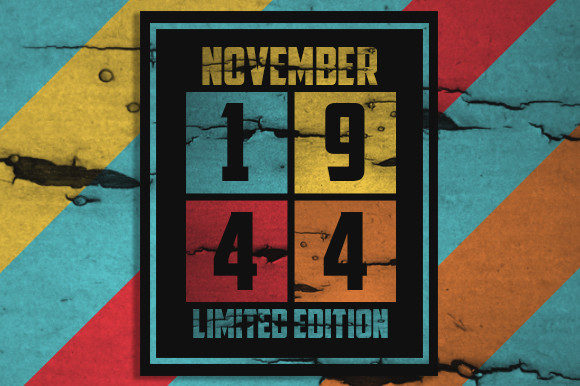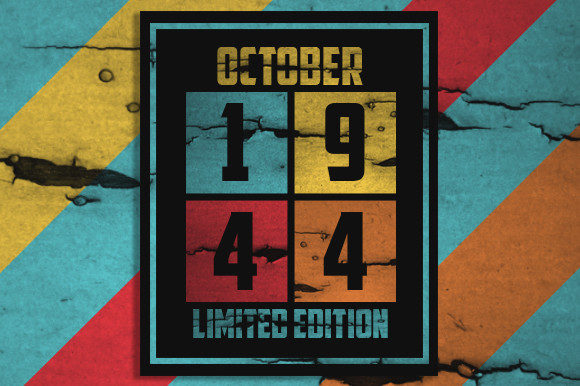
Retro October 1944 Limited Edition
As a designer and embroidery product reviewer, I’ve seen my fair share of digital files. But when I came across the Retro October 1944 Limited Edition, I knew it had potential for real-world use. This design isn’t just another graphic—it’s a piece that could bring a nostalgic vibe to custom apparel, handmade gifts, or boutique merchandise. Let’s break down how it performs in practical embroidery scenarios.
The First Impression: A Nostalgic Visual Statement
The Retro October 1944 Limited Edition immediately evokes a sense of vintage charm. The design features clean lines, a subtle retro font, and an overall aesthetic that feels like it belongs in a mid-20th-century photo album. The layout is balanced, with enough detail to be visually interesting but not so busy that it overwhelms the fabric. It has a timeless quality that makes it adaptable for various projects.
The high-resolution PNG file with a transparent background gives flexibility for different applications. Whether you’re planning to stitch it on a tote bag, a baby onesie, or a holiday ornament, the design seems ready to translate into embroidery without losing its character.
Real-World Embroidery Performance
When testing this design on a sample sweatshirt, the first thing I noticed was how well it holds up under stitching. The elements are spaced out enough to avoid clashing, which is crucial for maintaining clarity on fabric. For custom apparel, this design would work well as a front or back embroidery piece, especially on light-colored garments where the details stand out.
For a tote bag design, the Retro October 1944 Limited Edition adds a unique touch that could appeal to customers looking for something more personal than generic logos. It’s also a strong candidate for embroidered patches, where the detail level ensures the design remains sharp even after multiple washes.
If you're working on baby items, like a onesie or a blanket, the design’s simplicity and soft visual tone make it a safe choice. It doesn’t have any sharp edges or overly intricate elements that might be distracting or difficult to stitch on delicate fabrics.
Where to Use It Carefully
While the Retro October 1944 Limited Edition is versatile, there are some situations where caution is needed. On small hoop sizes, the design might require splitting into sections to ensure even stitching. If you’re working with textured fabrics, like a thick cotton or a linen blend, the design’s open areas might not hold up as well as on smoother materials.
Thin or stretchy fabrics could pose challenges too. The design’s stitch density is moderate, but if you’re using a lightweight material, you may need to adjust your stabilizer or add extra layers to prevent puckering. Dark fabrics might also require a thread color contrast check to ensure the design remains visible.
On curved surfaces, such as caps or hats, the design might need slight adjustments to maintain symmetry. If you’re planning to use it on a layered garment or a product with frequent washing, consider how the stitches will hold up over time. Testing on scrap fabric first is always a good idea.
Impact on Visual Appeal and Customer Perception
One of the biggest strengths of the Retro October 1944 Limited Edition is how it elevates the visual appeal of a finished product. Its retro feel can add a unique selling point to your handmade items or commercial embroidery projects. Customers often look for designs that feel authentic, and this one delivers that without being too niche.
From a branding perspective, the design can help create a cohesive look for a craft business or Etsy shop. It’s also great for holiday gifts or personalized products, where the nostalgic theme can resonate with buyers looking for meaningful, handcrafted items.
For small shop owners, the Retro October 1944 Limited Edition offers a way to differentiate their products from mass-produced alternatives. It’s a design that feels crafted, not just printed, which can increase customer trust and engagement.
Practical Designer Notes
Before committing to a project, I always recommend testing the design on scrap fabric. This helps identify any issues with stitch density or thread color contrast. The Retro October 1944 Limited Edition has a clean layout, but checking it in black and white mockups can reveal hidden details that might not be obvious on a screen.
When using it on different fabric types, pay attention to how the design interacts with the texture. A satin stitch might work well on a smooth surface, but a fill stitch could be better for a thicker material. Also, make sure you’re using the right stabilizer for the fabric you’re working with.
If you’re planning to sell finished products or digital files, double-check the licensing terms. While the Retro October 1944 Limited Edition is a digital download, the specifics of what you can do with it aren’t clearly outlined. Always confirm before moving forward with commercial use.
Final Thoughts: A Design That Feels Made for Real Projects
The Retro October 1944 Limited Edition isn’t just a pretty graphic—it’s a design that can stand up to real embroidery use. Whether you’re creating custom apparel, personalized gifts, or small shop merchandise, it offers a balance of style and practicality. Its retro charm and clean layout make it adaptable for a wide range of projects, while its performance in testing shows it can handle different fabrics and stitching techniques.
For embroidery designers, crafters, and small business owners, this design is worth considering for your next project. Just remember to test it first, check the details, and ensure it aligns with your brand and product goals. With the right approach, the Retro October 1944 Limited Edition could become a staple in your design library.