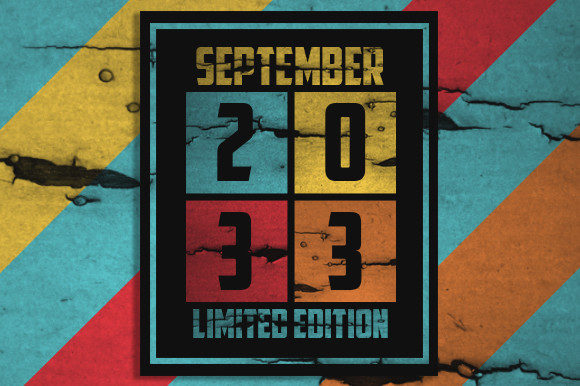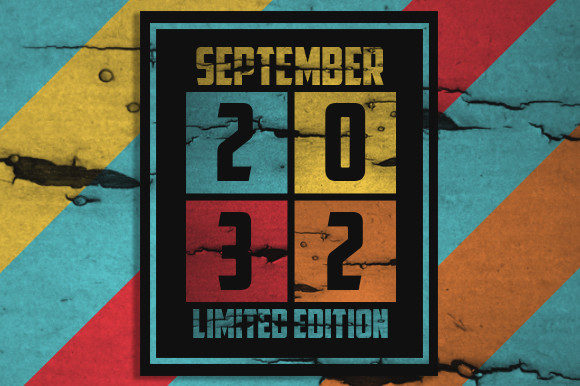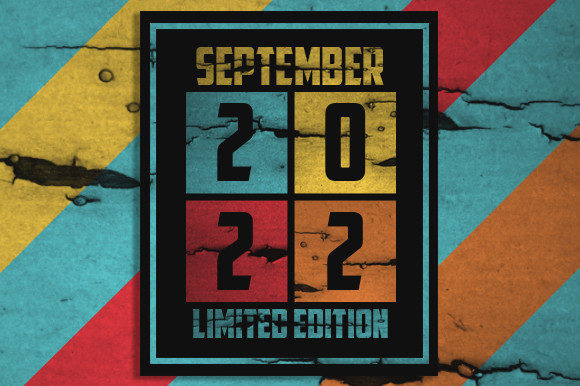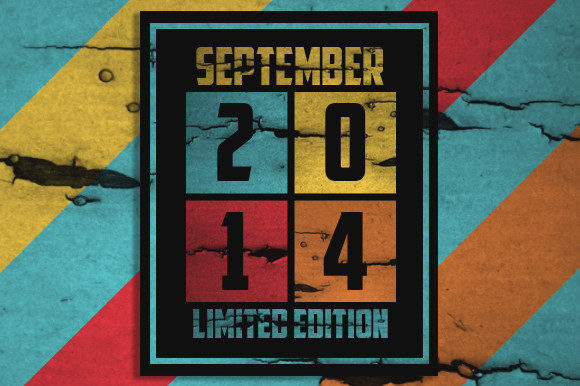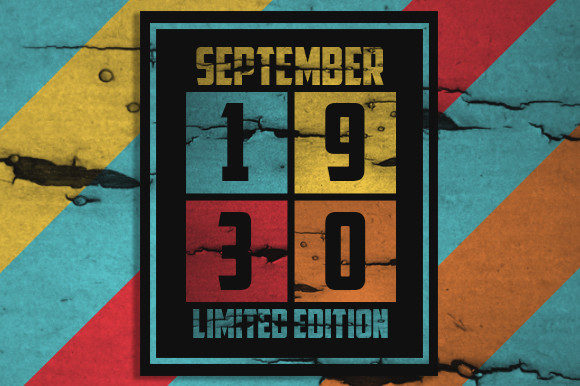
Retro September 1930 Limited Edition
The Retro September 1930 Limited Edition is a nostalgic design that brings a vintage aesthetic to modern embroidery projects. Its clean lines, elegant typography, and subtle textures evoke a sense of timeless craftsmanship. As an experienced designer and reviewer, I’ve evaluated this digital embroidery file for real-world use, considering its versatility, visual appeal, and practicality in various applications.
A First Impression of Nostalgia and Simplicity
Upon first glance, the Retro September 1930 Limited Edition feels like a piece of history. The design features a classic layout with a bold, serif font that suggests a bygone era of print and handcrafted goods. The theme is clear—retro, vintage, and elegant. It’s not overly detailed, but it carries enough visual interest to stand out on a range of fabrics and products.
The shape and structure of the design make it ideal for items like tote bags, sweatshirts, or baby onesies. Its simplicity allows for easy adaptation across different sizes and formats, making it a flexible choice for both personal and commercial use. The transparent background in the PNG file makes it easy to integrate into mockups, previews, or digital product listings.
Real-World Embroidery Performance
When testing the Retro September 1930 Limited Edition on a variety of fabrics, I found it performs well on most standard materials. It works best on medium-weight cotton, linen, or polyester blends. However, I noticed that on very thin or stretchy fabrics, the design can sometimes appear slightly distorted due to the tension required during stitching.
For custom apparel like t-shirts or sweatshirts, the design holds up well. The stitch density is balanced, allowing for a smooth finish without excessive bulk. On a tote bag, the design adds a touch of sophistication without overwhelming the fabric. It also works as an embroidered patch for jackets or backpacks, where a clean, minimalist look is preferred.
One area where caution is needed is when using the design on curved surfaces, such as caps or hats. The corners of the design may require some adjustment to ensure even stitching. Additionally, if you’re planning to use it on dark fabrics, be mindful of thread color contrast—light-colored threads may not show up as clearly as expected.
Where to Use It and Where to Be Cautious
The Retro September 1930 Limited Edition is best suited for projects that emphasize style and subtlety. It fits naturally into handmade products like pillow covers, tea towels, or holiday gifts. It also has potential as a boutique branding element for small shops or Etsy sellers looking to add a vintage flair to their merchandise.
However, there are situations where this design may not be the best choice. If you're working with small hoop sizes, the design might be too large to fit comfortably. Similarly, on textured or heavily woven fabrics, the details may not come through as clearly. For intricate corners or tiny lettering, a more detailed design might be preferable.
It’s also important to consider the frequency of washing when using this design on items like baby clothes or kitchen towels. While the design itself should hold up, repeated laundering can affect the longevity of the embroidery, especially if the stabilizer isn’t properly applied.
Impact on Visual Appeal and Customer Perception
Visually, the Retro September 1930 Limited Edition adds a polished, professional look to any finished product. Its clean lines and vintage feel make it appealing to customers who appreciate handmade or personalized items. When used on a custom sweatshirt or tote bag, it elevates the overall aesthetic and can increase the perceived value of the item.
From a customer perspective, this design is likely to be seen as a thoughtful, unique addition to a product. It’s perfect for personalized gifts, such as wedding favors or holiday presents, where the recipient can appreciate the attention to detail. For small business owners, it offers a way to differentiate their offerings in a crowded market.
As an embroidery file, it supports a range of applications—from printable mockups to commercial embroidery projects. Its high-resolution PNG ensures clarity when used in digital assets, making it a valuable tool for designers and crafters alike.
Practical Designer Notes for Real Projects
Before using the Retro September 1930 Limited Edition in a real project, I recommend testing it on scrap fabric to see how it looks in practice. This helps identify any issues with stitch density, thread color, or fabric compatibility early on.
Check the design for any areas that may need adjustment, such as tight corners or dense stitch areas. If you’re planning to use it on a layered garment or a curved surface, consider adjusting the hoop size or stabilizer type to ensure the best results.
Also, review the design in both black and white and color mockups to see how it translates across different backgrounds. This is especially important if you’re using it for digital product previews or online listings.
Finally, always confirm the licensing terms before selling finished items or digital products. Even though this is a graphics file, proper permissions are essential for commercial use.
Conclusion: A Versatile Vintage Design for Modern Use
The Retro September 1930 Limited Edition is a strong choice for designers and crafters looking to add a vintage touch to their work. Its clean, elegant style makes it suitable for a wide range of projects, from custom apparel to holiday gifts. With proper care and consideration, it can enhance the visual appeal and value of your handmade or commercial products.
Whether you’re an Etsy seller, a small shop owner, or a creative entrepreneur, this design offers practical value and aesthetic appeal. Just remember to test it thoroughly, adjust for fabric and project needs, and ensure compliance with any licensing requirements. With these steps, the Retro September 1930 Limited Edition can become a reliable part of your embroidery toolkit.