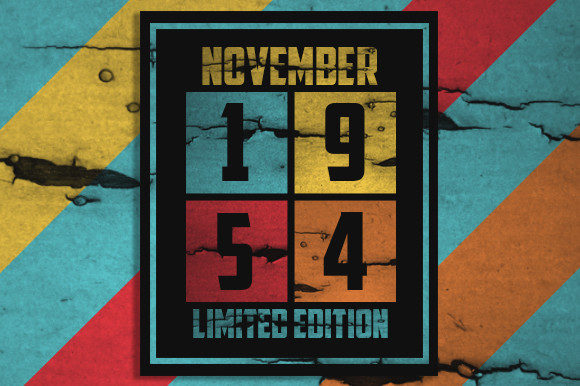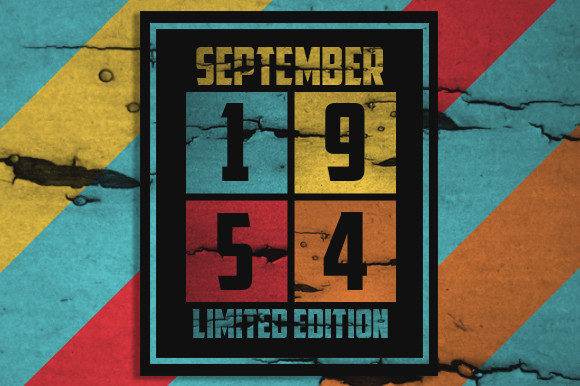
Retro September 1954 Limited Edition
As a designer and embroidery product reviewer, I often find myself evaluating digital designs for real-world use. The Retro September 1954 Limited Edition is one such design that caught my attention for its nostalgic charm and potential in various embroidery projects. Let’s dive into what this design offers and how it might fit into your creative workflow.
First Impressions: A Nostalgic Visual Statement
The Retro September 1954 Limited Edition immediately evokes a sense of vintage elegance. Its clean lines and retro typography suggest a mid-century aesthetic that feels both timeless and modern. The layout is balanced, with a strong central motif that could work well as an embroidered patch, tote bag design, or even a holiday gift tag. The level of detail is just right—enough to be visually engaging without being overly complex for most embroidery machines.
This design would thrive on custom apparel like sweatshirts, t-shirts, or baby clothes. It has the visual personality to stand out while maintaining a subtle sophistication that appeals to a broad audience. Whether you're creating handmade products for a boutique or crafting personalized gifts, the Retro September 1954 Limited Edition has the potential to add value and character to your offerings.
Real-World Embroidery Performance
When considering machine embroidery design, the key factors are stitch density, hoop size, and fabric compatibility. The Retro September 1954 Limited Edition appears to be well-suited for medium-sized hoops, making it ideal for items like tote bags, aprons, and pillow covers. However, if you're working with smaller hoop sizes, you may need to adjust the design or break it into sections for optimal results.
The design also works well on flat surfaces, but it may require extra care when stitching on curved areas like caps or hats. The detailing in corners and edges is clear, which is great for projects that demand precision. That said, if you’re planning to use it on textured fabrics or thin materials, be mindful of how the stitches will interact with the fabric's surface.
For commercial embroidery projects, this design could serve as a strong foundation for small shop products or Etsy listings. Its high-resolution PNG file ensures clarity when used in printable mockups or digital product previews. Just remember to test the design on different fabric types before committing to a large batch of finished products.
Where to Use It Carefully
While the Retro September 1954 Limited Edition is versatile, there are certain scenarios where it may not perform as expected. If you're working with dark fabric, the transparent background of the PNG file could result in less visibility unless you adjust the thread colors accordingly. Similarly, on stretchy or thin fabrics, the design might appear distorted or lose definition if proper stabilizer isn’t used.
For projects that involve layered garments or frequent washing, consider how the design will hold up over time. Dense stitch areas might cause pilling or wear, so it’s wise to review the stitch density and ensure it aligns with your project’s durability requirements. Tiny lettering or intricate details could also be a challenge on certain fabrics, so testing is always recommended.
Impact on Visual Appeal and Customer Trust
Embroidery projects that feature the Retro September 1954 Limited Edition can elevate the perceived value of handmade products. Its retro theme adds a unique touch that resonates with customers looking for personalized gifts or vintage-inspired decor. When used effectively, this design can enhance brand consistency, especially for craft businesses or Etsy sellers targeting a nostalgic aesthetic.
From a customer perspective, the design’s clarity and simplicity make it easy to recognize and appreciate. Whether it’s a holiday gift, a wedding present, or a custom apparel item, the Retro September 1954 Limited Edition has the potential to create a lasting impression. It also supports buyer engagement by offering a design that feels both meaningful and stylish.
Practical Designer Notes
Before using the Retro September 1954 Limited Edition in any project, I recommend testing it on scrap fabric. This helps you assess how the stitches look on your chosen material and whether the thread colors contrast well. For applique design or satin stitch applications, ensure the design is optimized for those techniques.
Check the hoop size required for your embroidery machine and confirm that the design fits comfortably within it. If not, consider adjusting the scale or breaking the design into parts. Also, review the small details—like corners and lettering—to make sure they translate well in the final product.
When preparing printable mockups or digital product previews, test the design in black and white to see how it looks without color. Compare it against both light and dark fabric backgrounds to ensure it remains visible and appealing in all contexts. Lastly, always verify the licensing terms before selling finished items or digital products, as this can vary between designers and platforms.
Final Thoughts: A Design Worth Considering
The Retro September 1954 Limited Edition is a solid choice for embroidery designers, small business owners, and crafters looking for a nostalgic yet practical design. Its clean layout, manageable complexity, and versatility make it suitable for a wide range of projects, from custom apparel to holiday gifts.
While it may not be perfect for every situation, it offers a strong foundation for those who want to add a vintage flair to their handmade products. With careful consideration and proper testing, this design can become a valuable asset in your creative toolkit. Whether you're an Etsy seller, a craft fair vendor, or a digital product creator, the Retro September 1954 Limited Edition is worth exploring for your next embroidery project.