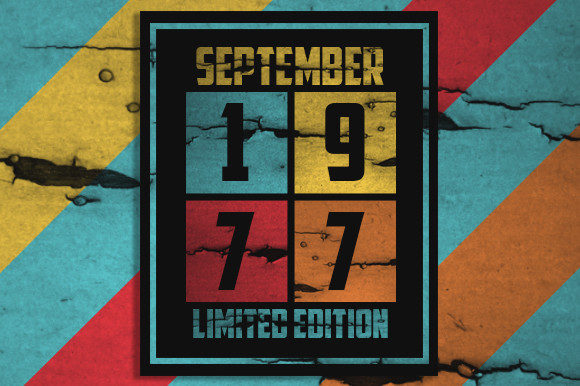
Retro September 1977 Limited Edition
As a designer and embroidery product reviewer, I’ve seen my fair share of digital files. But when I came across the Retro September 1977 Limited Edition, it immediately caught my attention. This is one of those designs that feels like it was made for a specific purpose—whether it’s a custom tote bag, a baby onesie, or a holiday gift. Let’s break down what makes this design stand out and where it might fall short in real-world use.
The First Impression: A Nostalgic Vibe with Clear Intent
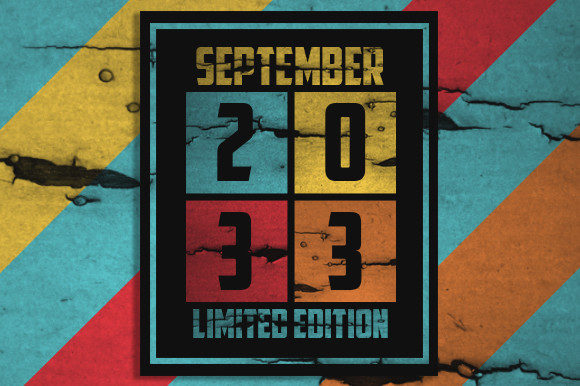
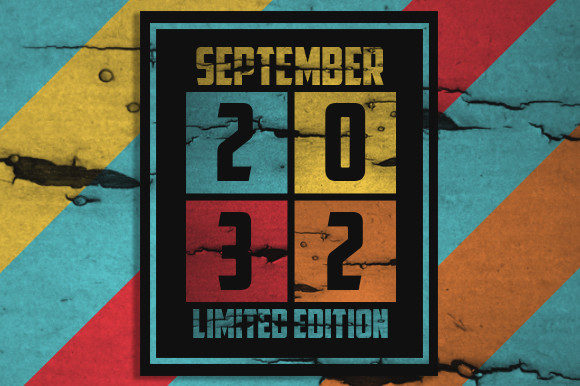
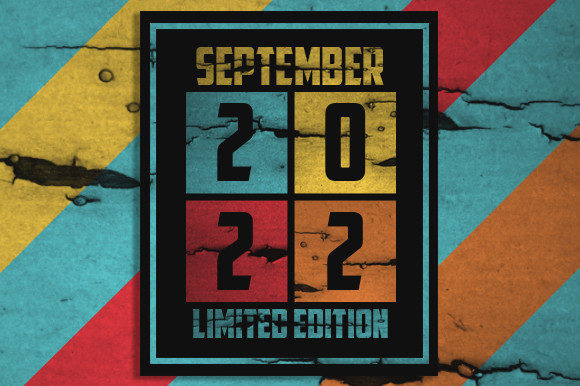
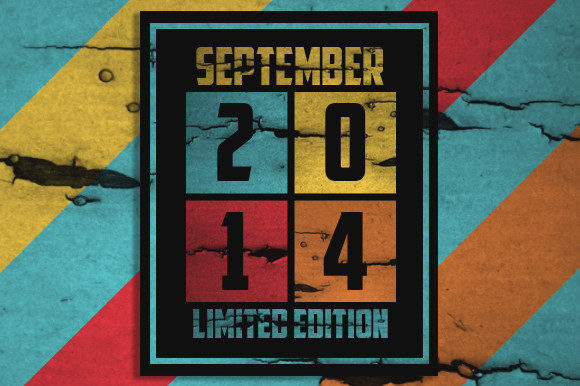
From the moment I opened the .zip file, I was struck by the high-resolution PNG with a transparent background. The Retro September 1977 Limited Edition has a distinct vintage feel—think faded typography, retro color schemes, and a layout that screams “1970s.” It’s not just a design; it’s a mood. The shape and composition are clean, making it ideal for projects that need a bit of character without overwhelming the fabric.
This design feels like it was meant for custom apparel, especially items like sweatshirts, t-shirts, or tote bags. The theme is straightforward but powerful, which makes it versatile for both personal and commercial use. If you’re looking to add a touch of nostalgia to your handmade products or Etsy listings, this could be a solid choice.
Real-World Embroidery Use Cases
When I think about how the Retro September 1977 Limited Edition would perform in real-life embroidery situations, I start considering the types of projects it would fit best. For example, if I were creating a custom embroidered tote bag for a small shop, this design would work well. Its clean lines and clear structure make it suitable for machine embroidery on flat surfaces like cotton or canvas.
It also has potential for baby items, such as onesies or blankets. The design isn’t too intricate, which means it can be stitched without too much difficulty. However, I’d be cautious about using it on thin or stretchy fabrics, as the detail might get lost or distorted during the stitching process.
For holiday gifts or personalized products, this design could be a hit. It has a classic appeal that doesn’t date quickly, which is important for items that might be given as presents. But again, the key is to test it first on different fabrics and stitch settings to ensure it looks its best.
Where to Be Careful: Limitations and Considerations
While the Retro September 1977 Limited Edition is visually appealing, there are some areas where it might not perform as well. Small hoop sizes could be an issue, especially if the design has detailed corners or tiny lettering. You’ll want to make sure your hoop is large enough to accommodate the entire design without cutting off any elements.
Textured fabrics, dark colors, or stretchy materials might also pose challenges. The design relies on clear contrast, so if the fabric is too dark or the thread doesn’t show up well, the final look could be underwhelming. I’d recommend testing it on a scrap piece of fabric before committing to a full project.
Another thing to consider is the stitch density. If the design has dense areas, you may need to adjust the settings to avoid puckering or distortion. Also, if you plan to use this for commercial projects, make sure to check the licensing terms to confirm it’s allowed for resale or redistribution.
Visual Appeal and Customer Perception
The Retro September 1977 Limited Edition has a strong visual presence that can elevate the perceived value of a handmade product. When customers see a professionally embroidered design, they tend to associate it with quality and care. This design, with its clean lines and nostalgic aesthetic, can help build trust and encourage repeat purchases.
It also adds a sense of uniqueness to a product. Whether it’s a custom sweatshirt or a boutique item, the Retro September 1977 Limited Edition can make a statement. However, it’s important to remember that the success of the design depends on how well it’s executed. Poor stitching or improper placement can ruin the overall effect.
Practical Designer Notes: What to Check Before Using
As someone who reviews embroidery designs regularly, I always recommend testing a new file before using it in a client project or for sale. Here are a few things I’d advise checking with the Retro September 1977 Limited Edition:
- Test on scrap fabric to see how the design looks in real life.
- Check thread color contrast to ensure it stands out against the fabric.
- Review stitch density and adjust as needed for different fabrics.
- Confirm hoop size to avoid cutting off parts of the design.
- Inspect small details like corners or lettering for accuracy.
- Test in black and white mockups to see how it translates without color.
- Compare light and dark backgrounds to ensure visibility.
- Use proper stabilizer for delicate or stretchy fabrics.
- Confirm licensing for commercial or digital use.
Final Thoughts: A Design That Fits a Niche Well
The Retro September 1977 Limited Edition is a design that works best in specific contexts. It’s not a one-size-fits-all solution, but when used correctly, it can add a unique and nostalgic touch to a wide range of projects. Whether you’re an Etsy seller, a craft business owner, or a hobbyist, this design could be a valuable addition to your collection—if you take the time to test and adapt it properly.
Overall, it’s a solid choice for anyone looking to incorporate a vintage aesthetic into their embroidery work. Just remember to approach it with practicality and care, and you’ll be rewarded with a finished product that stands out from the crowd.