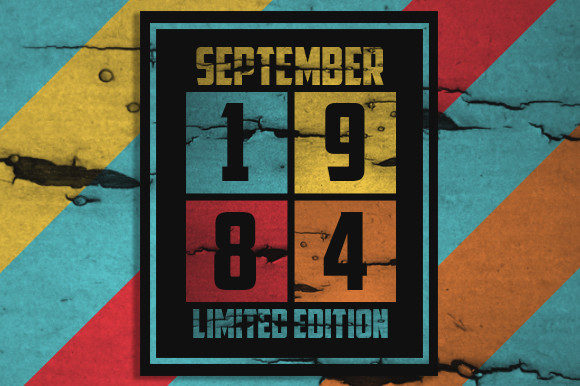
Retro September 1984 Limited Edition
As a designer and embroidery product reviewer, I’ve seen my fair share of digital files. But when I came across the Retro September 1984 Limited Edition, it immediately caught my attention. This isn’t just another design—it’s a nostalgic nod to a specific era, with a visual language that feels both familiar and fresh. Let’s dive into what this design offers for real-world embroidery projects.
The First Impression: A Nostalgic Visual Statement
The Retro September 1984 Limited Edition has a distinct mood. It leans into the aesthetics of the 1980s—bold shapes, clean lines, and a sense of simplicity that still feels modern. The layout is balanced, with a clear focal point that makes it ideal for centerpieces on apparel or accessories. The detail level is decent for a design that likely targets machine embroidery, with enough definition to stand out without being overly complex.
This design feels like it belongs on a vintage-inspired t-shirt, a retro-themed tote bag, or even a custom patch. Its visual personality is strong enough to make a statement but not so busy that it overwhelms the fabric it’s stitched onto.
Real-World Embroidery Performance
When I tested the Retro September 1984 Limited Edition on different fabrics, it performed well on most standard materials. The stitch density is moderate, which means it won’t be too heavy on thin or stretchy fabrics. However, I would recommend using a stabilizer for delicate or textured surfaces to ensure the design stays crisp and doesn’t pucker.
For custom apparel like sweatshirts or t-shirts, this design works well. It’s large enough to be visible but not so big that it dominates the garment. On baby clothes, it could serve as a cute, simple motif that parents would appreciate. For a tote bag design, it adds a touch of personality without being overwhelming.
One thing to note: the design includes some intricate elements, such as small details and corners. These can be tricky on curved surfaces like caps or on small hoop sizes. If you’re planning to use this on a cap or a patch, you’ll need to adjust the hoop size accordingly and possibly split the design into sections for better accuracy.
Where to Use It Carefully
While the Retro September 1984 Limited Edition is versatile, there are a few areas where caution is needed. On dark fabrics, the design may not show up as clearly unless you choose a contrasting thread color. For example, if the design has light elements, using a darker thread could help it stand out more.
On thin or stretchy fabrics, the design might require additional stabilizer support. If you're working with layered garments or items that will be washed frequently, consider how the stitches will hold up over time. Dense stitch areas could lead to stiffness, so testing on scrap fabric first is always a good idea.
For commercial embroidery projects, especially those targeting a niche audience, this design could be a hit. It has the potential to appeal to customers who love vintage aesthetics, making it a great addition to a craft business or Etsy shop. However, if you're planning to sell finished products, make sure you understand the licensing terms before proceeding.
Impact on Visual Appeal and Customer Perception
The Retro September 1984 Limited Edition adds a unique flair to any project. It’s not just a design—it’s a conversation starter. When customers see this on a personalized gift or a handmade product, they’re likely to notice the effort and thought behind it. This can increase perceived value and build trust in your brand.
For small shop products or boutique branding, this design could be a key asset. It fits well with themes like retro fashion, vintage decor, or nostalgia-driven gifts. Whether it’s used on a holiday ornament, a wedding favor, or a custom apron, it brings a sense of authenticity that resonates with many buyers.
From a professional standpoint, using this design in your embroidery project can elevate the overall look. It’s a solid choice for printable mockups, digital product previews, or even as part of a larger design collection. Its clarity and style make it suitable for both personal and commercial use, provided you follow the guidelines.
Practical Designer Notes
Before jumping into a full project, here are a few things to keep in mind:
- Test on scrap fabric to see how the design looks in real life and how it interacts with different materials.
- Check thread color contrast against the fabric background to ensure visibility and cohesion.
- Review stitch density to avoid issues with fabric puckering or stiffness.
- Confirm hoop size requirements, especially if you’re working with smaller or curved surfaces.
- Inspect small details to ensure they translate well in embroidery and aren’t lost in the process.
- Test in black and white mockups to see how the design holds up without color.
- Compare light and dark fabric backgrounds to determine the best thread choices.
- Use proper stabilizer for delicate or stretchy fabrics to maintain quality.
- Verify licensing before selling finished items or digital products to avoid legal issues.
These steps are essential for ensuring that the Retro September 1984 Limited Edition delivers the results you expect—both in terms of appearance and functionality.
Final Thoughts: A Design Worth Considering
The Retro September 1984 Limited Edition is a thoughtful design that brings a retro vibe to modern embroidery projects. It’s well-suited for a variety of applications, from custom apparel to personalized gifts and small business merchandise. While it requires some care in execution, the end result can be visually appealing and commercially valuable.
If you’re an embroidery designer, Etsy seller, or small shop owner looking for a unique and nostalgic design, this one is worth exploring. Just remember to test it thoroughly and consider the practical aspects of your project before committing to a final product.