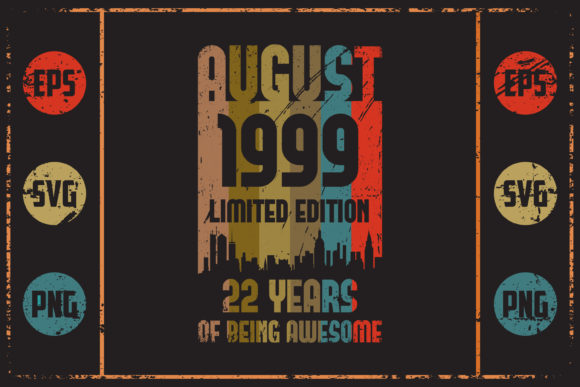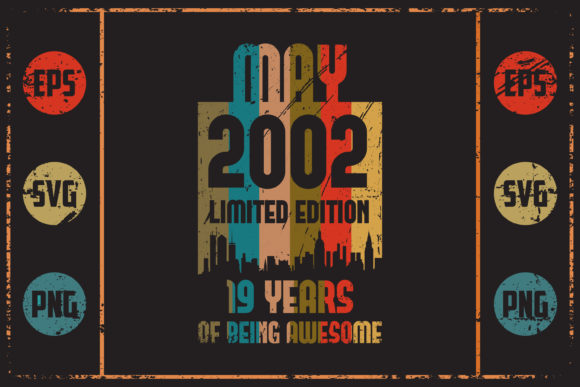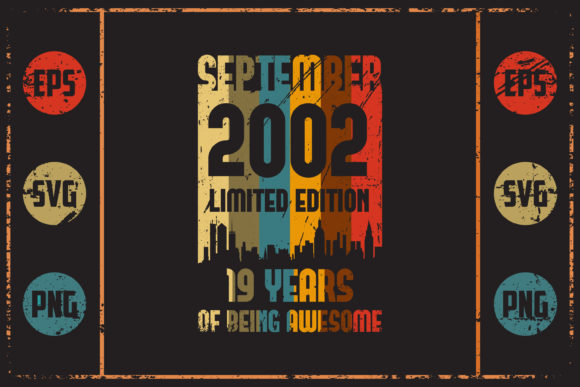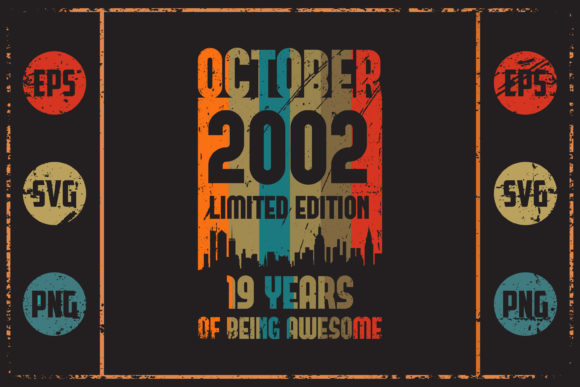
July 1999 - Retro Design
As a designer and embroidery product reviewer, I’ve seen my fair share of digital files that promise a lot but deliver little. July 1999 - Retro Design is one that stands out for its nostalgic charm and potential in real-world projects. It’s not just a pretty image—it’s a design that feels like it belongs in a specific era, with a visual personality that invites creativity and storytelling.
The First Impression: Nostalgia Meets Simplicity
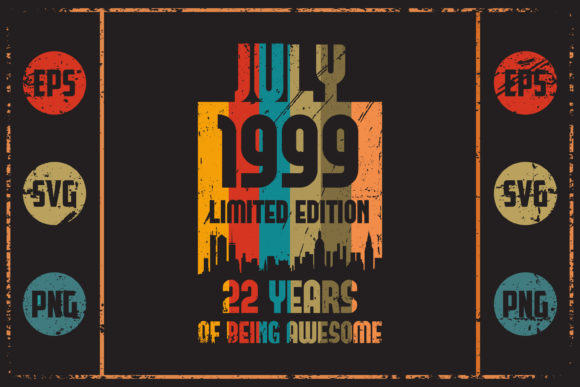
When I first opened the SVG file for July 1999 - Retro Design, I was struck by its clean lines and bold shapes. The layout is straightforward, with a central motif that evokes mid-20th-century graphics—think vintage posters, retro logos, and classic typography. The design has a timeless quality that makes it versatile, yet it carries a distinct mood that feels intentional.
The detail level is moderate, which means it’s not overly complex but still has enough visual interest to stand out on fabric. It’s the kind of design that would work well on custom apparel, baby items, or even as an embroidered patch. The theme is clearly retro, but it doesn’t feel forced or overly stylized. It’s the kind of design that could easily be adapted into a variety of handmade products without losing its identity.
Real-Life Embroidery Use Cases
July 1999 - Retro Design fits naturally into a range of embroidery projects. For example, imagine using it on a tote bag design for a small shop product. The simplicity of the design allows it to be easily stitched onto cotton or canvas without overwhelming the fabric. It also works well on sweatshirts, where the retro aesthetic can add a unique touch to casual wear.
On baby clothes, the design could serve as a subtle yet meaningful element. A onesie with this motif might become a cherished keepsake, especially if paired with a personal message or name. Similarly, on a pillow cover or kitchen towel, it adds a nostalgic flair that appeals to collectors and fans of vintage decor.
For commercial embroidery projects, July 1999 - Retro Design could be a great asset. It’s suitable for Etsy sellers looking to create printable mockups or digital product previews. Its clarity and simplicity make it easy to scale and adapt for different sizes and applications.
Where to Be Careful: Practical Considerations
While July 1999 - Retro Design is visually appealing, there are a few areas where caution is needed. On small hoop sizes, the design may require some adjustment to ensure all elements are properly stitched. If you’re working with textured fabrics or thin materials, the stitch density might need to be adjusted to prevent puckering or distortion.
On dark fabrics, the thread colors may not show up as clearly, so it’s worth testing with different shades before committing to a final project. Stretchy fabrics can also be a challenge, as the design might shift during stitching. In such cases, using the right stabilizer is crucial to maintain the integrity of the embroidery.
For curved surfaces like caps or hats, the design may need to be resized or modified slightly to fit the contours. Tiny lettering or detailed corners could be difficult to stitch accurately, so it’s important to review the file closely before use.
Impact on Visual Appeal and Customer Perception
July 1999 - Retro Design has the potential to elevate the visual appeal of any finished product. Its clean, retro style adds a sense of authenticity that many customers find appealing. When used on handmade products, it can enhance the perceived value and make the item more desirable.
From a customer perspective, the design feels familiar yet distinctive. It’s the kind of artwork that people might recognize from old advertisements or family memorabilia, which can create an emotional connection. This can be especially valuable for personalized gifts or holiday items, where nostalgia plays a key role.
For small business owners and Etsy sellers, the design offers a professional look that aligns with brand consistency. It can be used across multiple product lines, from apparel to home decor, without feeling out of place. This versatility makes it a strong choice for those looking to expand their offerings.
Embroidery Designer Notes: Best Practices
Before using July 1999 - Retro Design in a real project, I recommend testing it on scrap fabric. This will help you understand how the stitch density and thread colors interact with different materials. It’s also a good idea to check the design in black and white mockups to see how it looks on both light and dark backgrounds.
If you’re planning to sell finished items or digital products, make sure to review the licensing terms carefully. While the file is provided as a digital download, the intended use should be confirmed to avoid any legal issues.
For best results, use proper stabilizer when working with delicate or stretchy fabrics. Adjust the hoop size if necessary, and inspect every detail of the design to ensure it meets your standards. Whether you’re creating a custom apparel piece or a boutique product, these steps can make a big difference in the final outcome.
Final Thoughts: A Versatile Retro Design
July 1999 - Retro Design is a solid choice for designers and crafters looking for a nostalgic, adaptable embroidery file. It has the potential to enhance a wide range of projects, from everyday wear to special occasion gifts. Its clean layout and moderate detail level make it accessible for both beginners and experienced embroiderers.
While it’s not perfect for every situation, it excels in the right context. With careful consideration and proper technique, it can become a valuable addition to any embroidery project or digital product line. For those who appreciate the charm of the past, this design offers a fresh way to bring retro style into modern handmade creations.