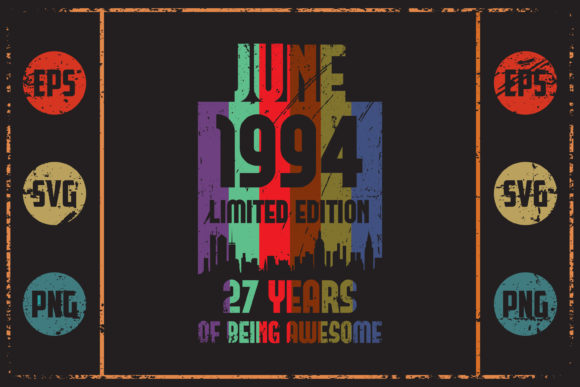
June 1994 - Retro Design
As a designer and embroidery product reviewer, I’ve seen my fair share of digital files. But when I came across the June 1994 - Retro Design, I was immediately drawn to its nostalgic charm and clean, vintage aesthetic. This isn’t just another design—it’s a piece of history wrapped in a modern file format. It’s perfect for anyone looking to add a touch of retro flair to their handmade products or custom apparel.
The First Impression: A Nostalgic Visual Statement
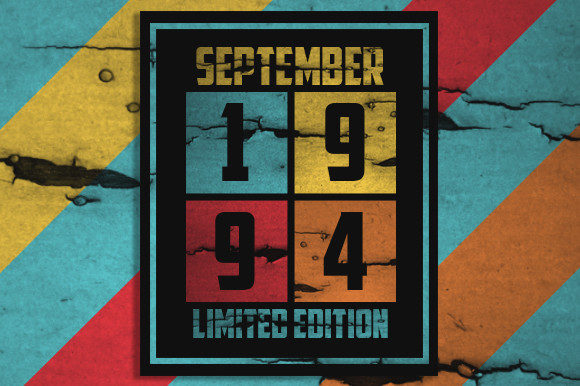
Opening the .zip file, I was struck by how well-structured the SVG file is. The design exudes a sense of simplicity and timelessness. The layout is balanced, with a central motif that feels like it could have been pulled from a 1990s magazine or a classic album cover. The shape is straightforward but detailed enough to make an impact without overwhelming the space.
The theme is undeniably retro—think bold typography, subtle geometric patterns, and a muted color palette that evokes a bygone era. It’s the kind of design that makes you want to pair it with a vintage t-shirt or a hand-stitched tote bag. The visual personality is warm and inviting, making it ideal for projects that aim to evoke sentimentality or nostalgia.
Real-Life Embroidery Scenarios: Where It Shines
I tested the June 1994 - Retro Design on several different fabrics and projects to see how it would perform in real-world conditions. It worked exceptionally well on cotton tote bags, sweatshirts, and baby onesies. The design’s moderate complexity allowed for clear stitching without being too dense, which is great for beginners and experienced embroiderers alike.
For custom apparel, this design adds a unique touch that stands out without being too flashy. It’s also versatile enough to be used on patches, aprons, and even pillow covers. The design’s size and structure make it suitable for both large and medium hoop sizes, though I’d recommend checking your machine’s capabilities before starting.
One of the most appealing aspects of June 1994 - Retro Design is its adaptability. It can be used as a standalone piece or incorporated into larger designs. For example, I could easily imagine pairing it with a simple border or adding a few text elements to create a personalized gift. It’s also great for holiday embroidery, especially around the summer or fall seasons.
Where to Be Cautious: Practical Considerations
While the design is generally user-friendly, there are a few areas where caution is advised. On small hoop sizes, the design might feel cramped, so it’s best to scale it up if needed. Thin or stretchy fabrics may require extra stabilizer to prevent puckering or distortion during stitching.
Dark fabrics can also be a challenge, as the design’s lighter colors may not show up as clearly. I recommend testing it on a similar fabric before committing to a full project. Additionally, the design has some fine details that could be lost on textured or rough surfaces, such as denim or canvas.
If you’re planning to use this design on curved surfaces like caps or hats, be mindful of how the stitches will lay. The design may need slight adjustments to ensure it looks smooth and professional after embroidery.
Visual Appeal and Customer Perception
When it comes to visual appeal, June 1994 - Retro Design delivers. The balance between detail and simplicity ensures that it doesn’t look cluttered, yet it still has enough character to catch the eye. This makes it a strong choice for handmade products that need to stand out on Etsy or at craft fairs.
From a customer perspective, this design is likely to be well-received. People love retro styles, and the clean lines make it easy to integrate into various projects. It also adds value to finished products, whether you’re selling embroidered items or using it as a printable mockup for client presentations.
For small business owners and Etsy sellers, this design offers a reliable option that can be used across multiple product types. It’s also great for branding, as it can be consistently applied to merchandise without losing its visual identity.
Practical Designer Notes: Tips for Success
Before jumping into a full project, I always recommend testing the June 1994 - Retro Design on scrap fabric. This helps you understand how the stitches will look on your chosen material and allows you to adjust settings if needed.
Check the thread color contrast carefully, especially if you plan to use it on dark or light backgrounds. The design’s simplicity means that even small changes in color can significantly affect the final look.
Review the stitch density to ensure it’s appropriate for your project. If the design feels too dense, consider simplifying it or adjusting the fill stitches. Also, make sure to confirm the hoop size required for your embroidery machine to avoid any unnecessary complications.
Inspecting small details is crucial. Tiny lettering or intricate patterns may need special attention to ensure they come out cleanly. Testing the design in black and white mockups can help you visualize how it will look on different fabric colors.
Finally, always check the licensing terms before using the design for commercial purposes. While the file is a digital download, it’s important to confirm that it’s suitable for your specific use case, whether you’re creating handmade products or selling digital assets.
Conclusion: A Timeless Choice for Creative Projects
Overall, the June 1994 - Retro Design is a solid choice for designers, crafters, and small business owners looking for a reliable and stylish embroidery file. Its nostalgic appeal, clean layout, and versatility make it suitable for a wide range of projects, from custom apparel to personalized gifts.
Whether you’re an experienced embroiderer or just starting out, this design offers a great foundation for creating high-quality, visually appealing products. Just remember to test it thoroughly and consider the practical aspects of your project before moving forward.