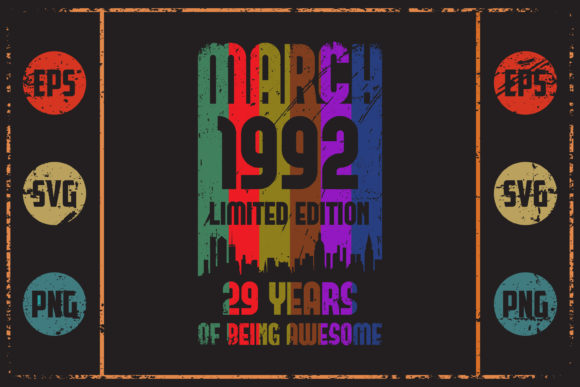
March 1992 - Retro Design
As a designer with years of experience in embroidery and digital product creation, I always approach new designs with a critical eye. March 1992 - Retro Design is no exception. This digital file offers a nostalgic aesthetic that could work well in a variety of handmade and commercial projects, but it’s not without its considerations.
The First Impression
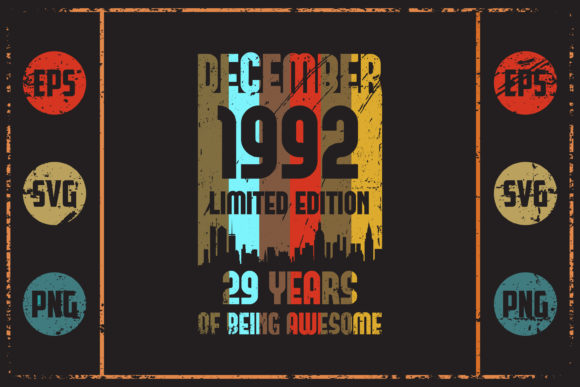
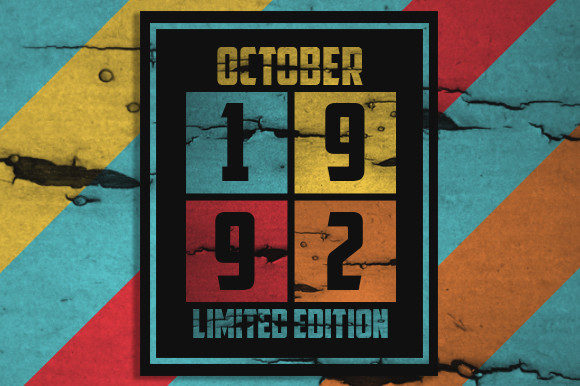
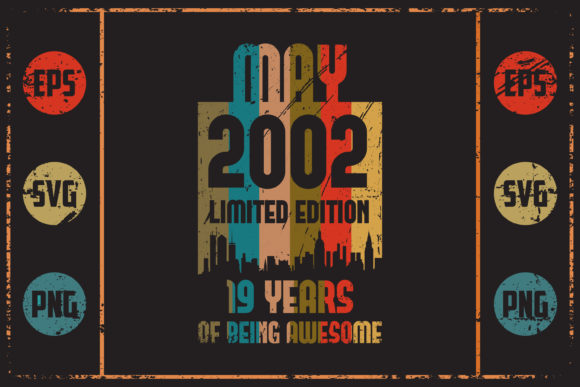
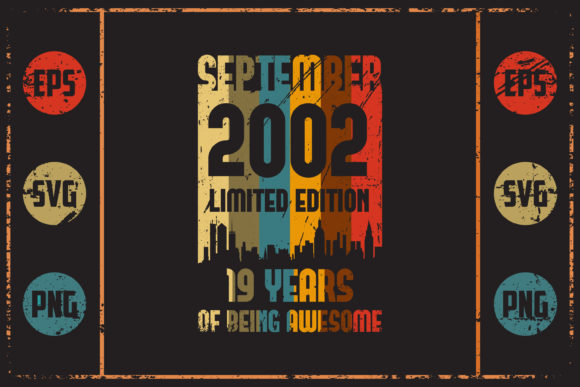
Upon opening the SVG file, March 1992 - Retro Design immediately evokes a sense of vintage charm. The layout is clean, with a central motif that feels like it belongs in a 1990s magazine or poster. The design isn’t overly complex, which makes it versatile, but also means it may not stand out on its own in a crowded market. It has a subtle, retro vibe that works best when paired with other elements or used as a focal point on simpler backgrounds.
The shape and theme suggest a design that would fit well on custom apparel, baby items, or holiday gifts. It’s not the kind of design you’d want to use for something too busy or detailed, but rather one that can be easily adapted to different mediums and fabrics.
Real-World Embroidery Performance
When considering how March 1992 - Retro Design performs in real-life embroidery situations, it’s important to think about where and how it will be used. For example, if you’re planning to embroider this design onto a tote bag or sweatshirt, it should look good at a medium scale. However, if you're working with smaller hoop sizes, such as those used for caps or patches, the details might get lost or appear too small.
This design is suitable for machine embroidery, but it’s worth testing it on scrap fabric first. Pay attention to stitch density—some areas may require more careful handling to avoid puckering or distortion, especially on stretchy or thin fabrics. If you're using it for baby items, ensure that the design is soft and doesn’t have any sharp edges that could irritate sensitive skin.
For applique design or satin stitch applications, March 1992 - Retro Design holds up well. However, if you plan to use fill stitches in dense areas, be mindful of how the fabric reacts. Some materials may not handle heavy stitching as smoothly as others, so it’s wise to do a test run before committing to a larger project.
Where to Use With Caution
While March 1992 - Retro Design has a lot to offer, there are certain scenarios where it might not be the best choice. On dark fabrics, the design’s contrast may be less visible, especially if the thread colors aren’t chosen carefully. Similarly, on textured or stretchy fabrics, the design could lose some of its clarity or become distorted during the embroidery process.
If you're planning to use this design on curved surfaces like caps or hoods, consider how the curves affect the overall look. Some parts of the design may need slight adjustments to fit properly. Tiny lettering or intricate corners could also pose challenges, especially if the hoop size is too small or the fabric is too thin.
For commercial embroidery projects, make sure the design is compatible with your equipment and that you have the proper stabilizer in place. If you're selling finished products, double-check the licensing terms to ensure you’re allowed to use the design for resale.
Impact on Visual Appeal and Customer Trust
March 1992 - Retro Design adds a unique touch to any project that benefits from a vintage feel. When stitched correctly, it can elevate the visual appeal of custom apparel, personalized gifts, or small shop merchandise. Its simplicity allows it to blend well with other design elements, making it a great choice for layered or multi-component projects.
From a customer perspective, this design can help build trust in your brand. A well-executed embroidered piece with a clear, professional look can increase buyer engagement and encourage repeat business. It’s especially effective for holiday or wedding gifts, where the retro theme can add a personal and nostalgic touch.
For Etsy sellers or craft business owners, March 1992 - Retro Design can be a valuable addition to your design assets. It’s suitable for printable mockups, digital product previews, and even as part of a larger branding strategy. Just be sure to test it in both light and dark fabric backgrounds to see how it looks in different contexts.
Practical Designer Notes
Before using March 1992 - Retro Design in a real project, here are a few key steps to follow:
- Test on scrap fabric to check how the design looks and behaves on your chosen material.
- Check thread color contrast to ensure the design stands out clearly on the background fabric.
- Review stitch density to avoid issues with puckering or distortion, especially on delicate or stretchy fabrics.
- Confirm hoop size to make sure the design fits comfortably and doesn’t require excessive repositioning.
- Inspect small details to ensure they’re visible and well-defined, especially if the design includes text or intricate patterns.
- Test in black and white mockups to see how the design translates without color.
- Compare light and dark fabric backgrounds to understand how the design appears in different settings.
- Use proper stabilizer to prevent shifting or puckering during the embroidery process.
- Check whether the design works for both personal and commercial projects based on your intended use.
- Confirm licensing before selling finished items or digital products to avoid legal issues.
Final Thoughts
March 1992 - Retro Design is a solid choice for designers looking to add a vintage flair to their work. It’s versatile enough to fit into a range of projects, from custom apparel to holiday gifts, but it requires careful consideration when it comes to fabric type, hoop size, and stitch density. As with any machine embroidery design, testing and preparation are key to achieving the best results.
Whether you're an Etsy seller, a small shop owner, or a creative entrepreneur, March 1992 - Retro Design can be a useful addition to your collection of graphics and design assets. Just remember to approach it with the same care and attention you’d give any other embroidery file, and you’ll be rewarded with a professional, visually appealing finished product.